
3 Modern Dental Treatments That Make a Real Difference
Modern dental treatments have revolutionized the field of dentistry, offering solutions that not only improve oral health but also enhance overall well-being. As dental technologies advance, patients have access to a range of options that provide comfort, efficiency, and improved outcomes. These innovations address the ongoing prevalence of oral diseases, which, according to the World Health Organization, affect nearly 3.7 billion people globally, making advancements in dental care more critical than ever.
Effectively managing oral health is essential for various reasons, including infection prevention, aesthetic enhancement, and functional restoration. The integration of cutting-edge technologies in dental treatments ushers in an era where patient needs and expectations can be met with higher precision and satisfaction. The adoption of these advanced dental practices reflects a broader shift towards minimally invasive, patient-centered care. These treatments embody the blend of art and science, where dental professionals leverage world-class tools and knowledge to enhance health outcomes. From aligners and teeth whitening to lasers and implants, these three developments highlight the potential for transformative impacts in dentistry today.
1. Invisalign and Clear Aligners
Invisalign technology represents a breakthrough in orthodontics, providing patients with an alternative to traditional metal braces. These clear aligners are crafted from advanced, flexible materials that fit snugly over the teeth, gradually shifting them into the desired position. Customization and comfort are at the forefront of this technology, allowing patients to undergo orthodontic treatment with minimal disruption to their daily lives. Unlike traditional braces, Invisalign aligners are virtually invisible, fostering a positive self-image and encouraging adherence to the treatment. The complex yet user-friendly design of Invisalign emphasizes function without compromising aesthetics.
The benefits of clear aligners extend beyond cosmetic appeal, including reduced treatment times and fewer required dental visits. Patients experience less discomfort and inconvenience compared to traditional braces, as they can remove the aligners for eating, brushing, and flossing. This flexibility supports better oral hygiene and less dietary restriction throughout the treatment process. Furthermore, these aligners are less likely to cause oral abrasions or uncomfortable sores, often associated with conventional braces. As such, Invisalign has become a preferred choice for both teenagers and adults seeking efficient correction.
Invisalign treatment follows a systematic process beginning with an initial consultation where dental professionals assess the suitability of aligners for the patient's needs. Using detailed scans and imaging techniques, a series of customized aligners is produced to cater to progressive adjustments required to straighten teeth. Case studies have showcased Invisalign's effectiveness in correcting malocclusions, crowding, and gaps between teeth with outcomes comparable to traditional orthodontic methods. Cost considerations, including insurance coverage and payment plans, have made Invisalign accessible, significantly democratizing orthodontic care.
2. Teeth Whitening Techniques
Teeth whitening procedures have gained popularity as an effective method to enhance aesthetic appeal by brightening smiles. In-office whitening treatments offer a professional solution, yielding more immediate results compared to at-home alternatives. These professional-grade applications involve the use of highly concentrated bleaching agents such as hydrogen peroxide or carbamide peroxide. Dentists often use auxiliary tools, such as specialized lights or lasers, to accelerate and strengthen whitening results. As a part of a dental practice, in-office whitening ensures the procedure is safe and effectively customized to meet the needs of each patient.
Complementing in-office techniques, various at-home whitening kits and products have entered the market, offering convenience and flexibility. These include whitening strips, gels, and custom-fitted trays designed for use over a prescribed period. Although less potent than professional procedures, these products can effectively remove surface stains with regular application. Despite their popularity, users must adhere to guidelines to prevent overuse, which can lead to tooth sensitivity or damage. As consumers pursue these home solutions, understanding the differences in efficacy and risks between professional and at-home options remains important for maintaining dental health.
Advancements in whitening technology continue to streamline processes, offering enhanced methods that address common drawbacks of whitening treatments, such as sensitivity or uneven discoloration. New formulations that incorporate desensitizers, such as potassium nitrate or fluoride, play a crucial role in mitigating potential side effects. Additionally, integrating whitening treatments with diagnostic imaging and dental health assessments ensures that these aesthetic procedures do not compromise overall oral well-being. The rise of safe whitening practices highlights the demand for effective, patient-friendly options to achieve brighter smiles while prioritizing health. Adherence to best practices and professional guidance further enhances the success and safety of these whitening treatments.
3. Dental Implants and Their Evolution
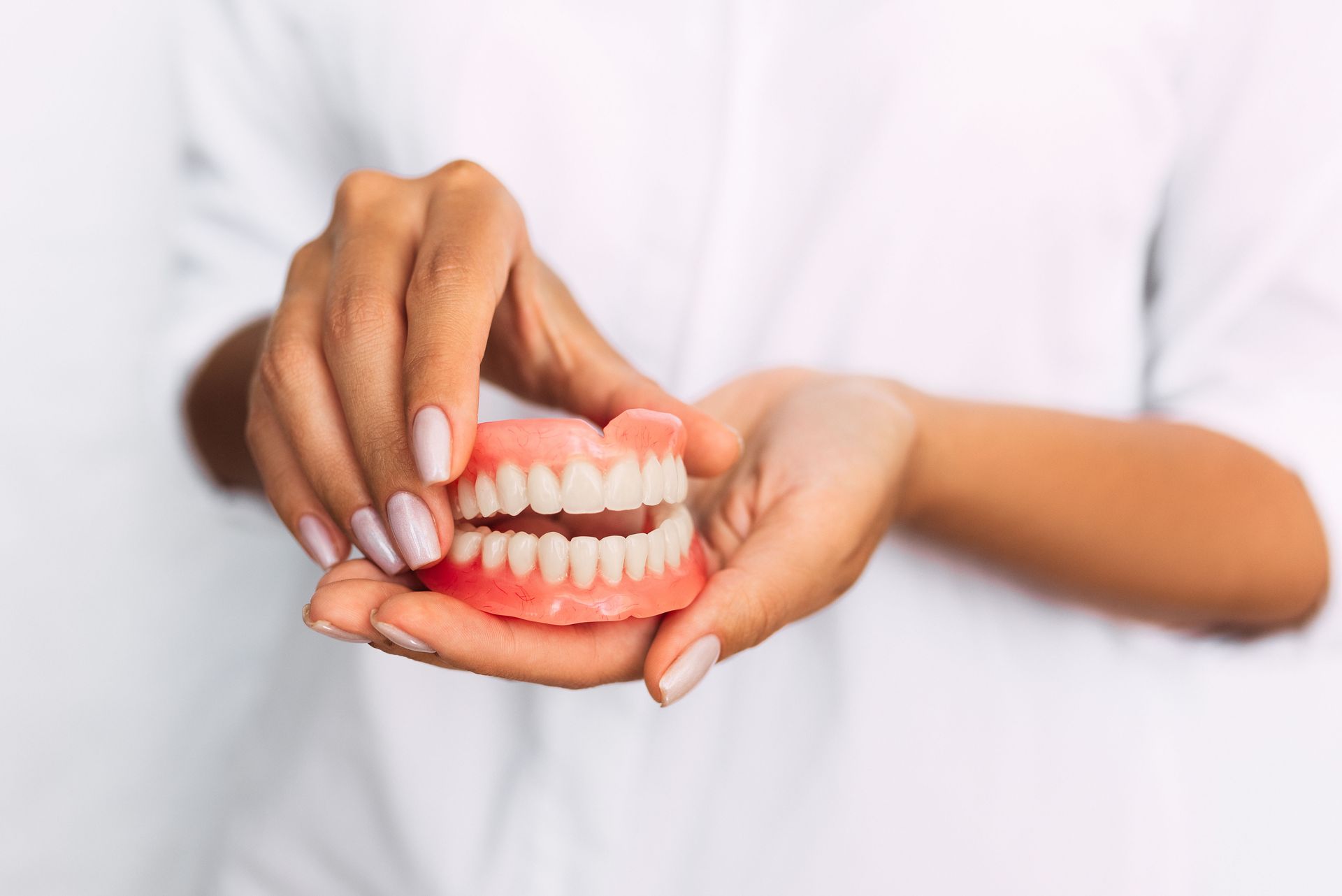
Dental implants have become a cornerstone in modern restorative dentistry, offering a strong and durable solution for replacing missing teeth. The core principle of implants involves embedding a titanium post into the jawbone, serving as an artificial root to support a crown or bridge. This procedure not only restores the function of natural teeth but also promotes bone health by stimulating jawbone activity. Dental implants offer improvements over traditional dentures or bridges by providing a stable, long-term solution that feels and functions like natural teeth. Understanding implants' role in oral health transformation underlines their increasing popularity in dental practices worldwide.
Innovations in implant materials have advanced the technology, pushing boundaries in durability, compatibility, and aesthetics. Titanium's biocompatibility remains the standard, but alternatives such as zirconia offer metal-free options with superior aesthetics for patients with specific needs. The incorporation of these materials showcases an evolution in implant technology that adapts to diverse patient requirements. Furthermore, research continues to enhance implant stability and integration through customized design and advanced surface treatments. Integration of digital planning aids in the precise placement of implants, minimizing surgical invasiveness and promoting successful outcomes.
The implant procedure involves multiple stages, starting with a detailed consultation to evaluate suitability and develop a personalized treatment plan. Patients can expect a surgical phase where implants are placed, followed by a healing period to allow osseointegration. This process fosters a strong bond between the implant and jawbone, crucial for long-term stability. Long-term maintenance includes regular dental visits to monitor the health of the implant and surrounding tissues. When comparing implants to other tooth replacement options, their resilience, longevity, and appearance hold a competitive edge, offering patients a comprehensive restoration that heavily influences quality of life.
Modern dental treatments are reshaping how dental care is delivered, offering patients a wide array of options for better oral health and aesthetics. By integrating advanced technologies such as Invisalign, laser dentistry, and digital workflows, dental professionals can address complex conditions with increased precision and comfort. These innovations not only improve the patient experience but also contribute to healthier communities worldwide by providing accessible, effective solutions.
As dental technologies continue to evolve, the potential for improving patient outcomes and satisfaction grows exponentially. Ongoing research and development in areas such as minimally invasive techniques and digital dentistry support the evolution of dental practices towards a future-oriented model. This continual progress promises a new era where patient autonomy and health resilience are at the forefront of dental care.
The commitment to advancing dental treatments is a testament to the field's adaptability and dedication to patient-centered care. As we look towards the future of dentistry, it is clear that innovation and a focus on healthful practices will continue to drive significant improvements across the globe. By embracing these changes, dentists can ensure their practices meet and exceed patient expectations while enhancing their overall quality of life. Contact Bedminster Family & Cosmetic Dentistry for all your dental care needs.



Share On: