
Why Dentists Recommend Dental Bridges for Missing Teeth
Missing teeth can affect far more than just your smile—they can change how you eat, speak, and even how confident you feel in everyday situations, which is why finding a reliable, long-term solution matters. One of the most widely recommended options is a dental bridge, which offers both functional and aesthetic benefits while helping restore balance to your overall oral health. Practices focus on personalized care that supports both family dentistry and cosmetic goals, ensuring every patient receives a solution that fits their needs and lifestyle.
Understand the Purpose of Dental Bridges
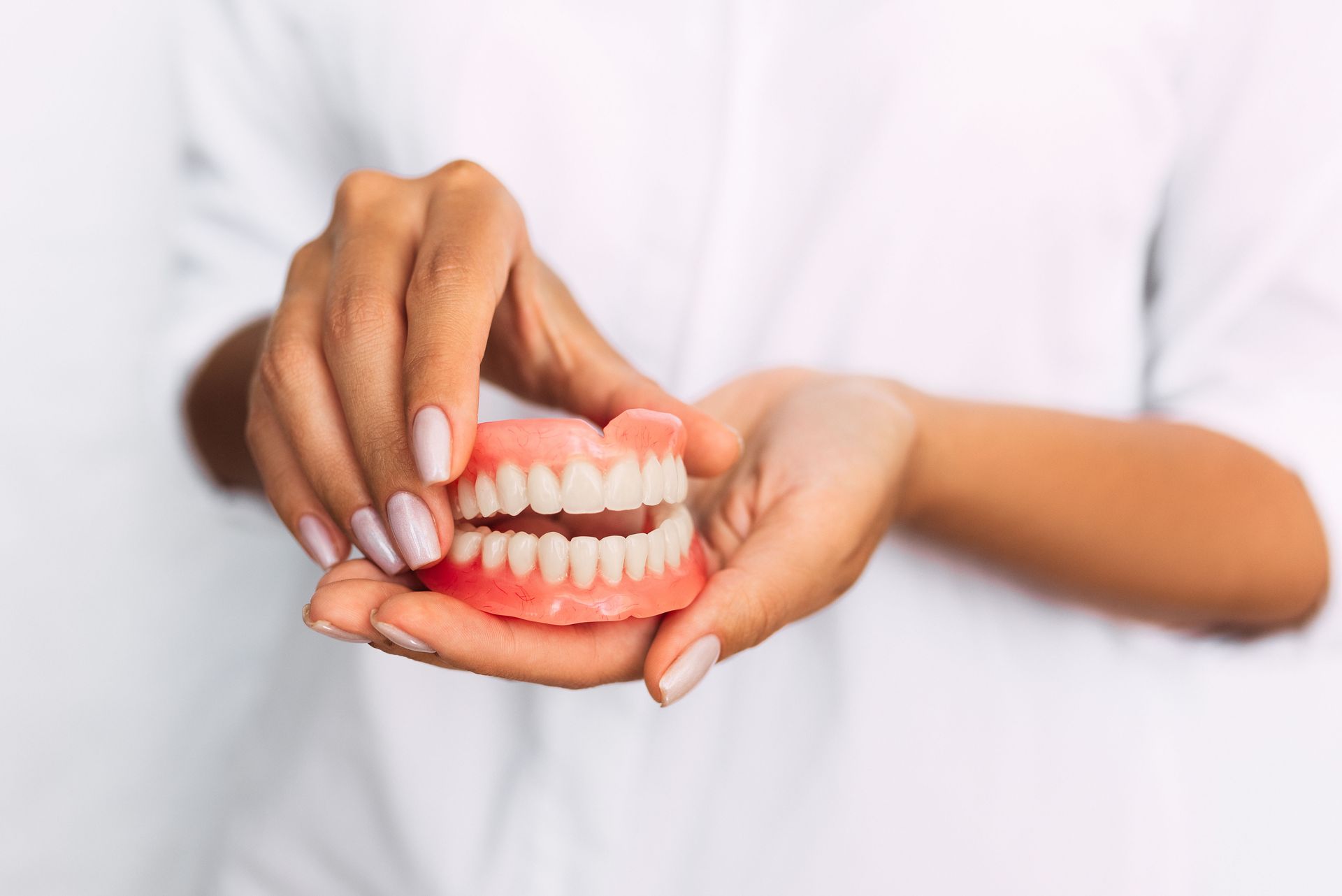
A dental bridge is a fixed restoration designed to replace one or more missing teeth by “bridging” the gap between healthy teeth or implants, restoring both appearance and functionality in a way that feels natural and stable. Unlike removable options, this solution remains securely in place, allowing patients to go about their daily routines without worrying about shifting or discomfort. By filling in these gaps, a dental bridge also helps maintain the natural shape of the face and prevents surrounding teeth from drifting out of alignment over time.
Explore the Types of Dental Bridge Options
There are several variations available depending on a patient’s needs, each designed to address different levels of tooth loss and structural support. Traditional bridges are the most common and involve crowns placed on adjacent teeth with a prosthetic tooth in between, while cantilever bridges are used when support exists on only one side of the gap. Maryland bridges offer a more conservative approach by bonding a framework to existing teeth, making them ideal for front teeth where aesthetics are a priority. Implant-supported bridges provide additional stability by anchoring directly into the jawbone, offering a more advanced solution for long-term performance. Each dental bridge option is carefully selected based on factors like location, bite pressure, and overall oral health.
Consider the Materials Used for Bridges
The materials chosen for a dental bridge play a major role in both durability and appearance, which is why dentists often recommend options tailored to the patient’s needs and lifestyle. Porcelain is one of the most popular materials because it closely mimics the look of natural teeth, making it ideal for visible areas of the mouth. Metal alloys, including gold or other strong metals, are often used for back teeth where strength is more important than aesthetics. Many restorations combine materials, such as porcelain fused to metal, to provide both resilience and a natural look.
Recognize the Health Effects of Missing Teeth
When teeth are missing, the impact goes beyond appearance and can lead to serious oral health concerns if left untreated. Gaps can trap bacteria, increasing the risk of gum disease and decay while placing additional stress on surrounding teeth that must compensate during chewing. Over time, this imbalance can accelerate wear and lead to further dental complications, including shifting teeth and bite misalignment. The placement of a dental bridge helps restore stability by redistributing pressure evenly across the bite, reducing strain on remaining teeth and supporting long-term oral health.
Protect Jaw Alignment and Bone Health
Tooth loss can also affect the underlying jawbone, which relies on stimulation from teeth to maintain its density and structure. Without that stimulation, the bone can begin to deteriorate, leading to changes in facial structure and potential complications like TMJ discomfort. Additionally, adjacent teeth may begin to tilt into the empty space, further disrupting alignment and function. A dental bridge helps maintain proper spacing and supports the surrounding teeth, preserving the natural structure of the mouth and minimizing long-term complications. By stabilizing the bite, this restoration plays an important role in protecting both oral function and facial aesthetics.
Restore Speech and Eating Comfort
Everyday functions like speaking clearly and enjoying meals can become difficult when teeth are missing, often leading to frustration and dietary limitations. Certain sounds may become harder to pronounce, and chewing efficiency can decline, making it challenging to eat a balanced diet. By restoring missing teeth, a dental bridge allows patients to regain clear speech and enjoy a wider variety of foods without discomfort or hesitation. This improvement not only supports physical health but also enhances social interactions, making daily communication more comfortable and natural. Over time, patients often notice a significant boost in overall quality of life.
Improve Confidence and Social Comfort
The emotional impact of missing teeth is often underestimated, yet it can influence how individuals interact in both personal and professional settings. Many people feel self-conscious about gaps in their smile, leading to reduced confidence and social withdrawal. According to the World Health Organization, about 7% of individuals aged 20 and older experience complete tooth loss globally, highlighting how common and impactful this issue can be. Restoring your smile with a dental bridge can dramatically improve self-esteem, helping you feel more comfortable speaking, smiling, and engaging with others. A complete smile often translates to renewed confidence in everyday life.
Compare Bridges to Other Tooth Replacement Options
When considering treatment, it’s important to understand how bridges compare to alternatives like implants or partial dentures. Implants offer a permanent solution but require surgery and a longer healing period, while partial dentures are removable and may feel less stable during daily use. A dental bridge provides a middle ground by offering a fixed, non-surgical option that restores function quickly and effectively. It is often more accessible in terms of cost and treatment time, making it a practical choice for many patients. Discussing these options with a dental professional ensures the best decision based on individual needs.
Understand the Dental Bridge Procedure
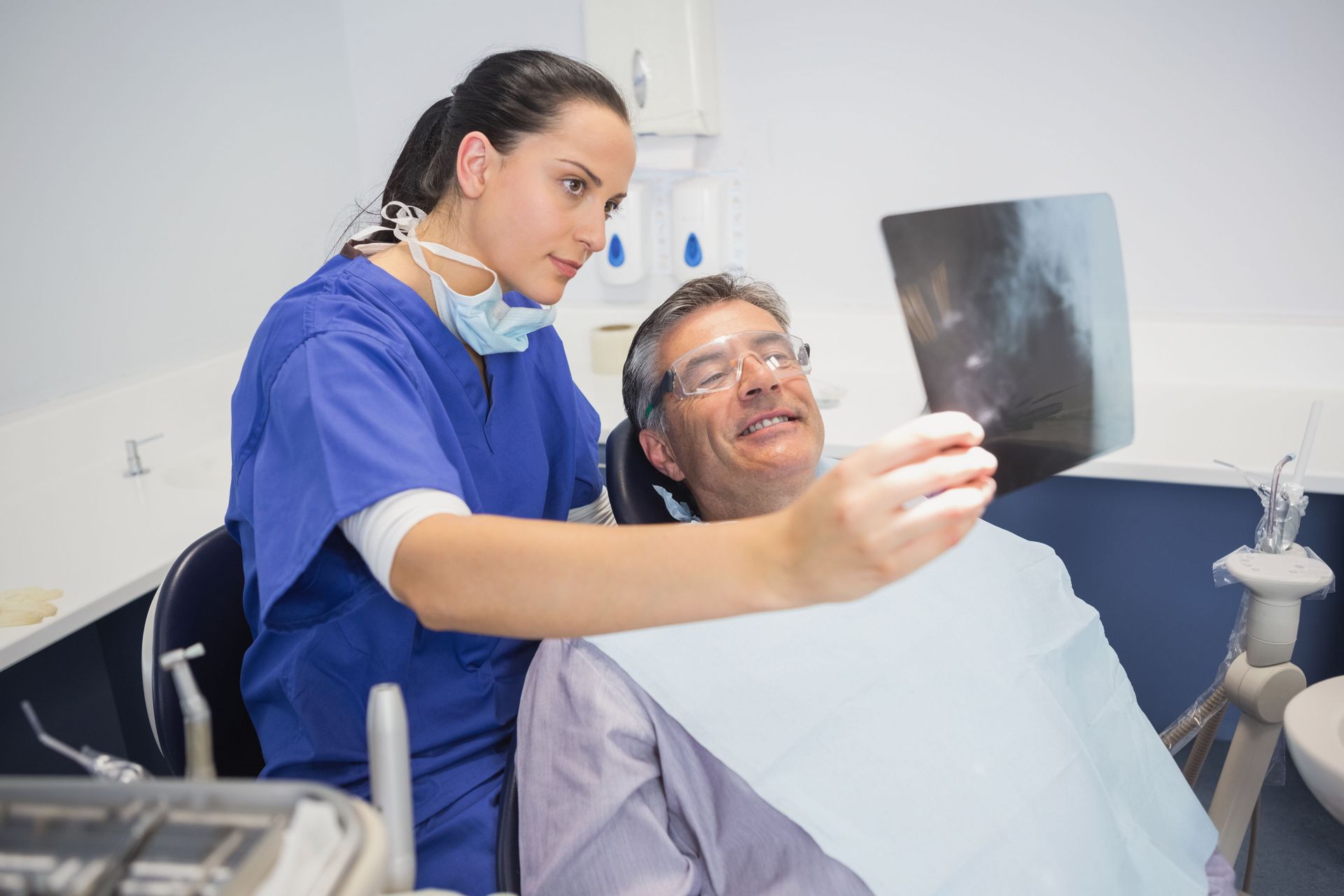
The process typically begins with a thorough consultation where the dentist evaluates oral health, takes imaging, and creates a personalized treatment plan. During preparation, the supporting teeth are shaped to accommodate crowns, and impressions are taken to ensure a precise fit for the restoration. A temporary bridge may be placed while the permanent one is fabricated, allowing patients to maintain function and appearance in the meantime. Once ready, the final dental bridge is carefully fitted and adjusted to ensure comfort, proper alignment, and a natural look. Follow-up visits help confirm that everything functions as intended and that the patient is fully comfortable.
Maintain Your Dental Bridge for Long-Term Success
Proper care is essential to extend the life of your restoration and maintain overall oral health. Daily brushing and flossing, along with tools like floss threaders, help keep the area around the bridge clean and free of plaque buildup. Regular dental visits are equally important, as professional cleanings and exams allow for early detection of any issues that could affect the supporting teeth or gums. Avoiding habits like chewing on hard objects or grinding your teeth can also protect the integrity of the bridge. With consistent care, a dental bridge can provide reliable function and aesthetics for many years.
Choosing the right solution for missing teeth is an important step toward improving both oral health and overall well-being, and having a knowledgeable team guiding you through the process can make all the difference. Whether you are exploring options like cosmetic dentistry, Invisalign treatment, veneers, or comprehensive family dental care, finding a personalized approach ensures results that look and feel natural. If you’re considering restoring your smile with a
dental bridge, our team at Bedminster Family & Cosmetic Dentistry is here to help you every step of the way. Contact us today to get experienced, patient-focused care designed around your needs.




Share On: