
4 Signs It is Time to Go to the Emergency Dentist
Dental issues can begin with mild discomfort, but they can quickly escalate into serious problems that require immediate attention. What might seem like a minor toothache or sensitivity can actually involve deeper concerns such as infection, nerve damage, or structural injury. Ignoring these warning signs can lead to worsening pain, more complex procedures, and potential long-term oral health complications. Recognizing when to seek urgent care is critical for protecting both your smile and your overall well-being. According to Unnus, every 15 seconds in the United States, someone goes to the emergency room for dental-related issues, which highlights how frequently these problems become severe. Understanding the key warning signs can help you take action before a situation becomes more difficult to manage. Visiting a dentist office at the right time can make a significant difference in outcomes and recovery.
1. Severe or Persistent Tooth Pain
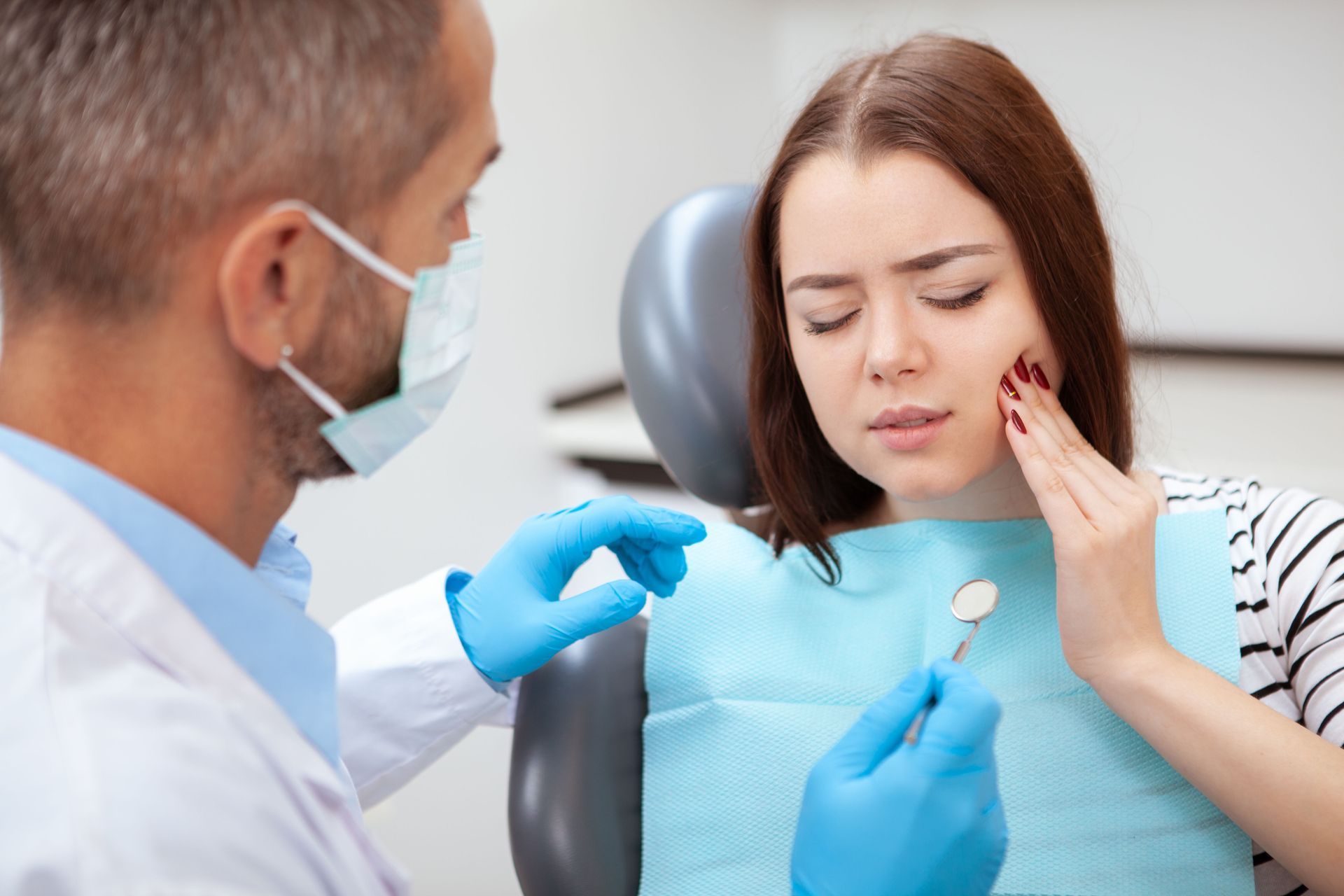
Ongoing or intense tooth pain is one of the most common reasons people seek emergency dental care. This type of discomfort can develop suddenly or worsen gradually, making everyday activities such as eating, speaking, or sleeping difficult. Pain that lingers or becomes more intense often indicates that something more serious is happening beneath the surface. It may be linked to an infection, nerve irritation, or structural damage within the tooth. An emergency dentist can assess the situation, identify the cause, and provide immediate relief while preventing further complications from developing during a visit to a dentist office.
1.1 Causes of Ongoing Tooth Pain
There are several possible causes of severe or persistent tooth pain. Untreated cavities are a common source, as decay can progress deeper into the tooth and affect the inner pulp. Cracked or fractured teeth may also expose sensitive areas, leading to sharp or throbbing pain. Gum disease can contribute to discomfort by causing inflammation and infection in the surrounding tissues. In some cases, dental abscesses form, creating pockets of infection that lead to significant pain and swelling. Identifying the exact cause is essential to ensure the right treatment is provided and the issue does not return after professional dental care.
1.2 Risks of Ignoring Tooth Pain
Delaying care when experiencing severe tooth pain can lead to serious complications. Infections can spread to nearby teeth, gums, and even other areas of the body if left untreated. What may begin as a manageable issue can quickly evolve into a more complex condition that requires extensive treatment. Pain can also interfere with daily life, reducing productivity and overall comfort. Seeking care from an emergency dentist at a dentist office at the first sign of persistent pain can prevent these issues from worsening and help restore normal function more quickly.
1.3 Immediate Treatment Solutions
Emergency dental treatments for severe pain often focus on addressing the root cause. Procedures such as root canal therapy can remove infected tissue and relieve pressure inside the tooth. In other cases, temporary fillings or crowns may be placed to protect damaged areas. Antibiotics may also be prescribed if infection is present. These treatments are designed not only to relieve discomfort but also to stabilize the tooth and prevent further damage. Prompt care in a dental clinic increases the chances of saving the natural tooth and avoiding more invasive procedures later.
2. Swelling in the Gums, Jaw, or Face
Swelling in the mouth or facial area is another clear indication that emergency dental care may be needed. This swelling can occur in the gums, jaw, cheeks, or even the neck and is often associated with infection or inflammation. It may be accompanied by pain, redness, or a feeling of pressure in the affected area. In some cases, swelling can make it difficult to open the mouth, chew, or speak comfortably. Because swelling can progress quickly, it should never be ignored or left untreated, and a dentist office visit is often necessary.
2.1 Signs of a Dental Infection
Swelling is frequently linked to dental infections such as abscesses. Additional symptoms may include a bad taste in the mouth, pus formation, fever, or increased sensitivity. These signs indicate that bacteria have entered the tooth or surrounding tissues and are causing damage. Infections can develop from untreated cavities, gum disease, or injuries to the mouth. Recognizing these symptoms early allows for faster intervention and reduces the risk of complications through professional treatment.
2.2 Potential Health Complications
Untreated dental infections can lead to serious health risks beyond the mouth. In some cases, bacteria can spread into the bloodstream, leading to more widespread infections that affect other parts of the body. This condition can become dangerous if not addressed promptly. Swelling that spreads to the jaw or neck can also interfere with breathing or swallowing in severe cases. Seeking immediate care from an emergency dentist at a dentist office helps prevent these risks and ensures the infection is managed effectively.
3. Broken, Cracked, or Knocked-Out Teeth
Dental trauma can occur unexpectedly and often requires immediate attention to prevent permanent damage. Injuries may result from accidents, sports activities, falls, or biting down on hard objects. A broken or cracked tooth can expose sensitive inner layers, leading to pain and increased risk of infection. A knocked-out tooth is considered a dental emergency, as quick action is necessary to improve the chances of saving it. Seeking care right away at a dentist office can make a significant difference in the outcome.
3.1 Types of Dental Injuries
Dental injuries can vary in severity, ranging from minor chips to complete tooth loss. Small chips may seem harmless but can worsen over time if not treated. Cracks can extend deeper into the tooth, compromising its strength and stability. A knocked-out tooth requires immediate care, as the surrounding tissues and nerves can deteriorate quickly. Even injuries that appear minor should be evaluated by a dental professional to ensure there is no hidden damage that could lead to future problems.
3.2 Importance of Acting Quickly
Time is a critical factor when dealing with dental trauma. For example, a knocked-out tooth has the highest chance of being successfully reimplanted if treated within a short window. Delays can reduce the likelihood of saving the tooth and may require more extensive restorative procedures. Prompt action also helps minimize pain, control bleeding, and protect surrounding tissues. Visiting an emergency dentist as soon as possible ensures the best chance of preserving your natural teeth.
4. Uncontrolled Bleeding or Oral Trauma
Bleeding in the mouth that does not stop within a reasonable amount of time is a strong indication that emergency care is needed. While minor bleeding can occur after brushing, flossing, or certain dental procedures, excessive or prolonged bleeding should not be ignored. This type of bleeding may result from injuries to the gums, tongue, or other soft tissues, as well as underlying dental conditions. Immediate attention is necessary to prevent further complications and promote proper healing.
4.1 Causes of Excessive Bleeding
Uncontrolled bleeding can be caused by trauma, advanced gum disease, or complications following dental work. Injuries to the soft tissues of the mouth, such as cuts or lacerations, can lead to significant blood loss if not treated promptly. In some cases, bleeding may also be linked to underlying health conditions that affect clotting. Identifying the cause is essential to determine the appropriate course of treatment and ensure effective management at a dentist office.
4.2 Risks of Delayed Treatment
Ignoring excessive bleeding can lead to infection, delayed healing, and increased discomfort. Continuous blood loss may also affect overall health, particularly if the source of the bleeding is not addressed. In addition, open wounds in the mouth are more susceptible to bacterial contamination, which can complicate recovery. Seeking immediate care from an emergency dentist at a dentist office helps control bleeding and reduces the risk of further complications.
Recognizing these four warning signs can help you determine when it is time to seek immediate dental care. Acting quickly when symptoms arise can prevent further damage, reduce pain, and improve treatment outcomes. Emergency dental care is designed to address urgent issues efficiently, giving you the support you need when it matters most. By staying aware of these signs and responding promptly, you can protect your oral health and maintain confidence in your smile.






Share On: