
The Truth About Sensitive Teeth: Causes, Treatments, and Long-Term Relief
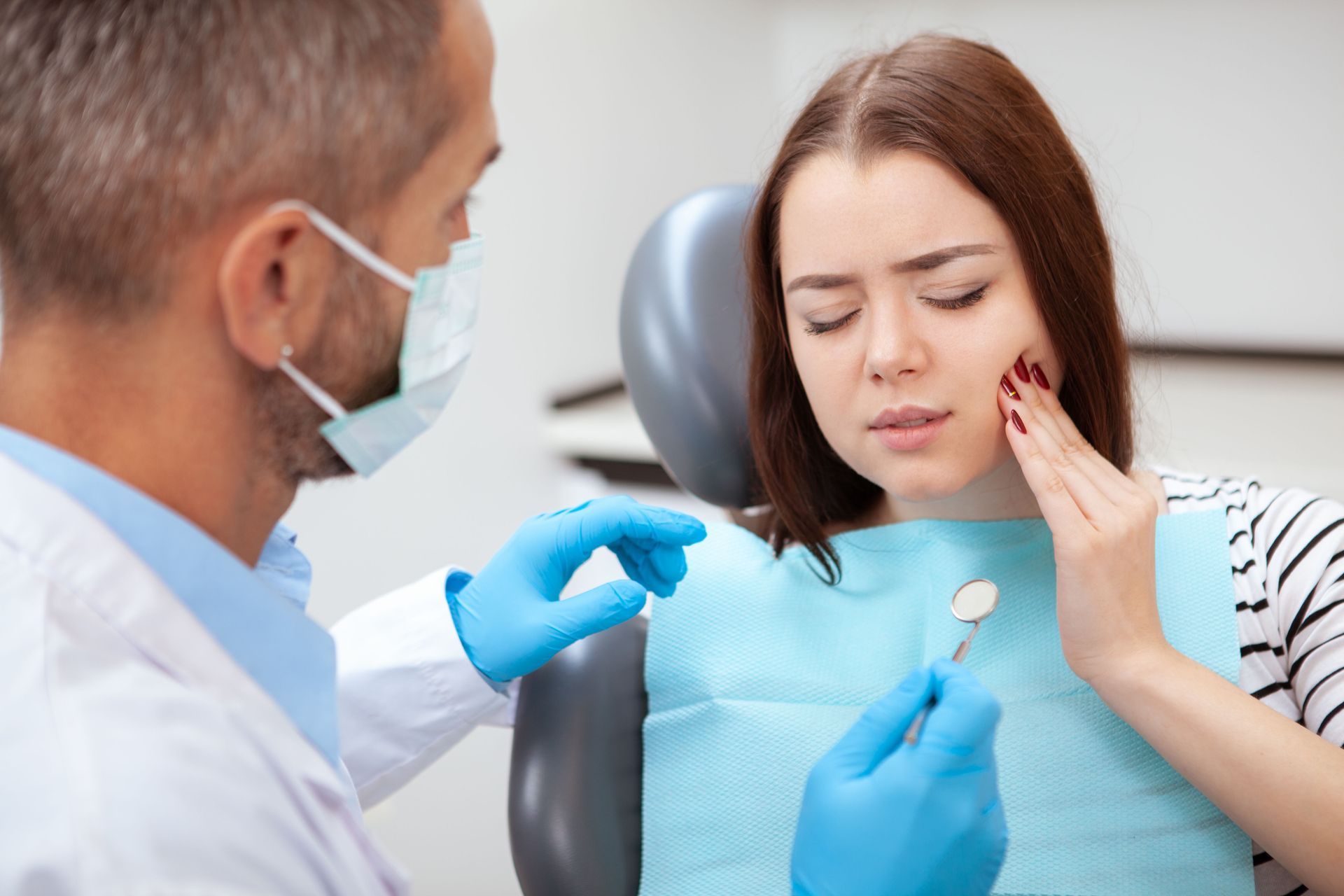
Experiencing a sharp, sudden jolt of pain while enjoying an ice-cold beverage or a hot cup of coffee is a tell-tale sign of dentin hypersensitivity. This discomfort occurs when the protective outer layer of your teeth, known as enamel, wears down or when gum recession exposes the soft, underlying dentin. Within the dentin are thousands of microscopic tubules that lead directly to the tooth's nerve center; when exposed to thermal or chemical triggers, these tubules allow sensations to reach the nerves instantly, resulting in that familiar sting.
Recognizing Common Triggers and Risk Factors
While wear and tear are natural, many cases of sensitivity are actually linked to underlying hygiene issues that have gone unaddressed. According to the Oral Health Foundation, an estimated 2.5 billion people living with untreated tooth decay in permanent teeth. This staggering statistic highlights how common it is for minor cavities to evolve into significant sensitivity problems. When decay breaches the enamel, it creates a pathway for irritation, making a visit to your local dentist essential for diagnosing whether your sensitivity is a simple surface issue or a sign of a deeper infection.
Daily habits often play a significant role in the thinning of enamel, which is the hardest substance in the human body but not invincible. Brushing too vigorously with a hard-bristled toothbrush can actually scrub away the enamel and push back the gum line, leaving the vulnerable roots of the teeth unprotected. Acidic diets rich in citrus fruits, sodas, and sports drinks also contribute to chemical erosion, softening the tooth structure and making it more susceptible to physical wear.
Beyond diet and hygiene, mechanical stress from teeth grinding can lead to micro-fractures in the teeth that cause intense sensitivity. Many patients are unaware they grind their teeth during sleep until they mention their morning tooth soreness to a local dentist. Chronic conditions like acid reflux can also introduce stomach acid into the oral cavity, causing rapid erosion. Identifying these specific triggers is the first step in creating a targeted plan to shield your nerves from further aggravation.
Evaluating Professional In-Office Treatment Options
When over-the-counter solutions fail to provide relief, professional intervention becomes necessary to seal the exposed pathways to the dental nerves. Dentists have access to high-concentration fluoride varnishes that are much stronger than retail versions; these varnishes are applied directly to the sensitive areas to strengthen the enamel and block the tubules. For more localized and severe sensitivity, your local dentist might suggest dental bonding, where a tooth-colored resin is used to cover exposed root surfaces and provide a permanent physical barrier.
In cases where gum recession is the primary culprit, a dental professional may recommend a surgical gum graft to protect the roots and restore the natural gum line. If the sensitivity is caused by structural damage, such as a deep crack or a large cavity, a crown or an inlay may be required to stabilize the tooth. By addressing the physical defects of the tooth, these treatments do more than just stop the pain—they restore the integrity of the tooth, preventing further decay and potential tooth loss.
Selecting Effective At-Home Maintenance Products
Managing sensitivity on a daily basis starts with switching to products specifically formulated for hypersensitive nerves. Desensitizing toothpastes contain compounds like potassium nitrate or fluoride, which work by either numbing the nerve endings or physically plugging the microscopic pores in the dentin. To maximize the effectiveness of these pastes, some dental professionals suggest applying a small dab of the desensitizing formula directly to the most sensitive spots before bed, allowing it to penetrate the dentin tubules overnight.
In addition to specialized paste, using a soft-bristled or ultrasonic toothbrush can prevent further mechanical abrasion. Many people find relief by using a fluoride-enriched, alcohol-free mouthwash, which helps remineralize weak spots in the enamel without the burning sensation of traditional rinses. High-quality mouthwashes create an extra layer of protection that reinforces the work done by your toothpaste, effectively creating a "shield" against thermal triggers. If you are unsure which brand is best for your specific type of sensitivity, consulting your local dentist for a personalized recommendation can ensure you aren't wasting money on products that might be too abrasive for your thinning enamel.
Implementing Long-Term Lifestyle Adjustments
Achieving permanent relief from sensitive teeth often requires a shift in how you consume certain foods and beverages. If you cannot give up acidic drinks like coffee or lemonade, using a straw can help bypass the teeth and minimize direct contact with the enamel. Rinsing your mouth with plain water immediately after eating acidic or sugary foods helps neutralize the pH balance in your mouth and washes away debris before it can trigger a pain response. It is also wise to wait at least thirty minutes after eating before brushing; this allows your saliva to naturally remineralize the enamel that has been temporarily softened by food acids, preventing you from accidentally scrubbing away precious tooth structure.
Furthermore, managing stress can have a surprising impact on dental comfort by reducing the frequency of jaw clenching and grinding. For those who suffer from nocturnal teeth grinding, a custom-fitted night guard provided by a local dentist is an invaluable tool for protecting the biting surfaces of the teeth from extreme pressure. Beyond physical barriers, incorporating relaxation techniques or jaw exercises into your nightly routine can alleviate the tension in your masseter muscles. These small, daily adjustments, combined with a commitment to better oral mechanics, create an environment where your teeth can begin to recover and remain pain-free regardless of the temperature of your meal. By being mindful of these habits, you actively prevent the micro-fractures and gum recession that are so often the primary culprits behind chronic dental sensitivity.
Prioritizing Regular Exams and Early Detection
The most dangerous aspect of tooth sensitivity is the tendency for patients to "wait it out" or avoid the side of the mouth that hurts, which only allows problems to fester. What starts as a mild reaction to ice cream could actually be the early stages of a cracked tooth or a failing filling. Regular check-ups allow your local dentist to monitor the thickness of your enamel and the health of your gum tissue, catching "silent" issues before they require expensive root canals or extractions.
During a professional cleaning, the removal of hardened tartar (calculus) from the gum line is also vital, as tartar buildup is a leading cause of gum recession and subsequent root exposure. When you maintain a consistent schedule of professional care, you are not just cleaning your teeth; you are performing a comprehensive "safety check" on your oral health. This proactive stance is the most effective way to ensure that your smile remains functional and comfortable throughout your life, rather than reacting to pain only when it becomes unbearable.
Sensitive teeth do not have to be a permanent obstacle to enjoying your favorite foods or maintaining a high quality of life. By understanding the underlying biological causes and seeking the expertise of a local dentist, you can move past the temporary "band-aid" fixes and address the root of the problem. With a combination of professional treatments, the right home-care products, and mindful lifestyle choices, you can look forward to a future of comfortable, pain-free smiles. If you want to learn about how to maintain your oral health, contact Bedminster Family & Cosmetic Dentistry today to get started!








Share On: