
4 Hidden Signs of Gingivitis Family Dentists Look For
Maintaining optimal oral health requires more than just occasional brushing and flossing. Many individuals brush their teeth diligently twice a day but still overlook subtle indicators of underlying gum issues. Early-stage gum disease often develops without causing noticeable pain. Because the initial symptoms present so mildly, patients frequently dismiss them as temporary irritation. Catching these warnings can mean the difference between a simple cleaning and needing more invasive periodontal treatments.
When you visit the clinic for a standard checkup, your oral care team evaluates much more than just the surface of your teeth. Experienced family dentists know how to spot the earliest red flags of gingivitis before they escalate into serious periodontal disease. They examine the soft tissues supporting your teeth, looking for subtle clues you might miss in your bathroom mirror. Understanding what these professionals search for can help you monitor your own oral health. By paying attention to these four hidden signs, you can take proactive steps to protect your smile.
1. Subtle Changes in Gum Texture
Healthy gum tissue exhibits a firm and tightly stippled texture, somewhat resembling the surface of an orange peel. When plaque accumulates along the gumline, bacteria release toxins causing the surrounding tissue to become inflamed. This inflammation leads to a loss of that natural stippling. Instead of looking firm and textured, the gums may start to appear smooth, glossy, and slightly swollen. Patients rarely notice this transition because it happens gradually. However, professionals can spot this loss of texture immediately during a routine visual exam.
The glossy appearance occurs because fluid builds up inside the gum tissue in response to bacterial irritation. As swelling increases, the tissue stretches out and loses its healthy, tight grip around the base of the teeth. You probably won't feel any soreness at this stage. If you look closely at your gumline under good lighting, you might see small areas where the tissue looks shiny rather than textured.
According to the Center for Pediatric Dentistry, about four in 10 children have cavities by kindergarten. While cavities represent a different issue than gum disease, both stem from similar bacterial buildup. Addressing plaque early prevents it from hardening into tartar, which causes the smooth gum texture associated with early gingivitis. Teaching proper brushing techniques early in life helps prevent both cavities and gum inflammation.
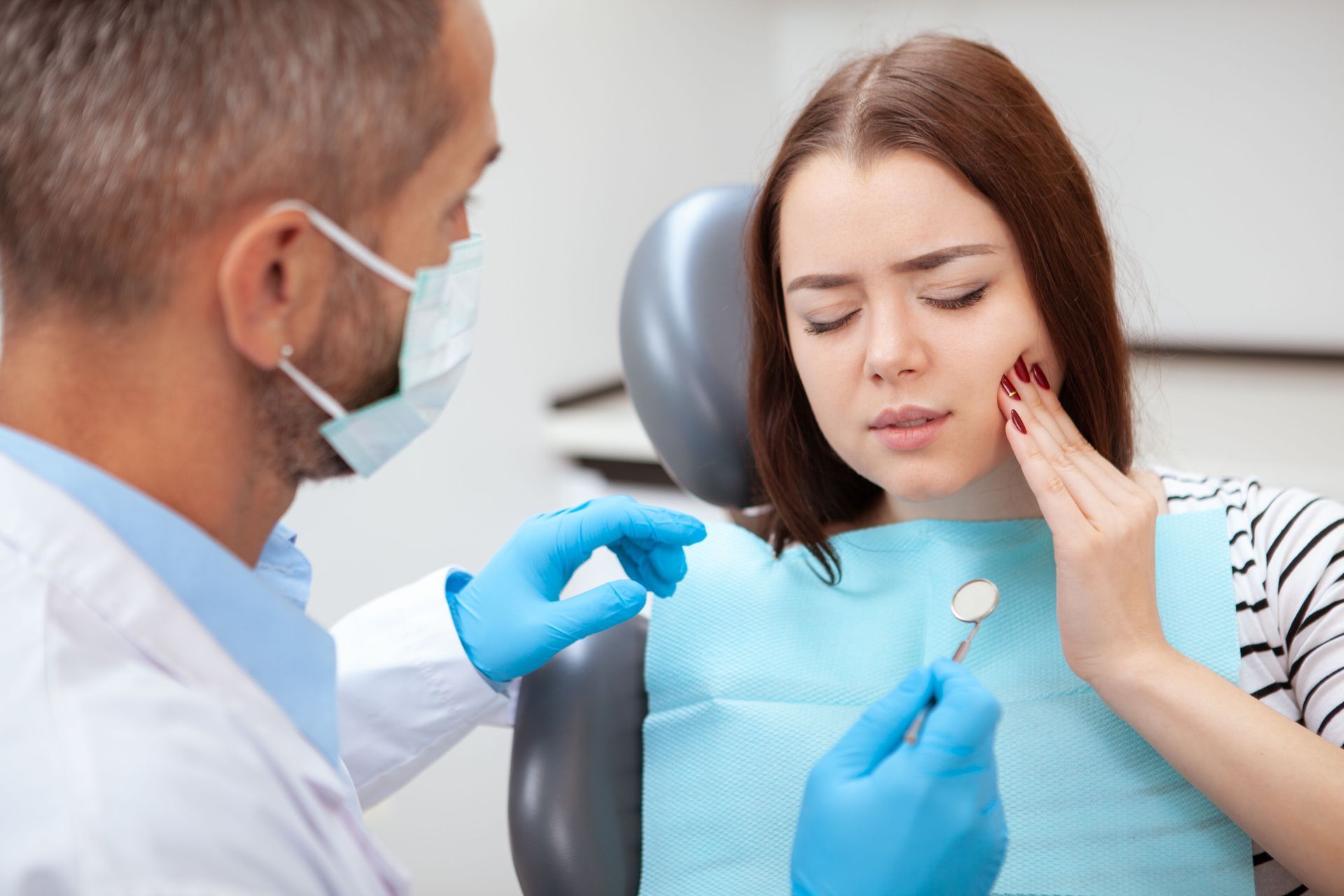
Professionals typically use a small dental mirror to examine the gums from multiple angles to check for these specific textural changes. They'll dry the gum tissue slightly, making the loss of stippling much easier to see. If they notice the gums looking overly smooth, they'll likely recommend adjustments to your daily flossing routine.
2. Persistent Bad Breath
Most people experience occasional bad breath after eating foods heavy in garlic or onions, but chronic halitosis points to a deeper issue. When plaque and tartar accumulate between the teeth and along the gumline, they create a perfect breeding ground for anaerobic bacteria. These bacteria feed on food particles left behind in your mouth and produce volatile sulfur compounds. These sulfur compounds emit a foul odor that can't be masked for very long by mints.
Brushing your teeth might temporarily improve the smell, but the odor usually returns quickly because the underlying bacterial colonies remain undisturbed under the gumline. People suffering from gingivitis often notice a persistent bad taste in their mouth that accompanies the odor. Because individuals become accustomed to their own scent, they might not realize how strong their breath has become.
During a checkup, family dentists easily recognize the specific sulfur odor associated with gingivitis. They don't just rely on visual cues; they use all their senses to evaluate your oral health. If they detect this characteristic scent, they'll investigate further to locate the areas where plaque has hardened. By removing these hidden deposits, they eliminate the source of the bacteria.
3. Slight Gum Recession
Gum recession usually happens so slowly that most people don't notice the change until it becomes severe. In the early stages of gingivitis, the gum tissue starts to pull away from the tooth slightly in response to chronic inflammation. This creates tiny pockets where more bacteria can hide and multiply. You might notice that certain teeth appear just a fraction of a millimeter longer than they used to look.
Many patients mistakenly attribute this slight recession to brushing too hard or using a toothbrush with stiff bristles. While aggressive brushing can cause gums to recede, early-stage gum disease frequently serves as the true underlying culprit. As the tissue pulls back, it exposes the more sensitive root surface of the tooth to temperature changes. You might experience a brief flash of sensitivity when drinking cold water.
When visiting professionals for routine care, they use a specialized periodontal probe to measure the depth of the spaces between your teeth and gums. Healthy gums usually have very shallow pockets measuring one to three millimeters deep. If the probe sinks deeper into the tissue, it indicates that the gums are swelling and beginning to detach.
Catching slight gum recession early provides the greatest chance for the tissue to heal naturally. Once recession progresses too far, the lost gum tissue won't grow back on its own. Implementing a softer brushing technique can halt the recession in its tracks. Many skilled family dentists will show you how to angle your brush to stimulate the gums properly.
4. Minor Bleeding During Routine Brushing
Seeing a little pink in the sink when you spit out your toothpaste might seem normal, but healthy gums don't bleed. Bleeding serves as one of the most common indicators that gingivitis has taken hold in your mouth. When plaque remains on the teeth for too long, the resulting inflammation causes the blood vessels in the gums to become swollen and fragile.
Even the gentle pressure of a soft-bristled toothbrush can cause these delicate vessels to rupture and bleed. Ignoring this symptom allows the infection to progress unhindered. Some people stop brushing and flossing the areas that bleed because they worry about causing further damage. Unfortunately, avoiding these sensitive spots achieves the opposite effect and allows the plaque to accumulate even faster.
Many individuals only notice bleeding when they floss, assuming they merely pushed the string down too hard into the tissue. While improper flossing technique can cause minor cuts, gums affected by gingivitis will bleed easily even with correct flossing motions. The frequency of the bleeding matters just as much as the volume.
Experienced family dentists always ask about bleeding during your checkup because it provides crucial insight into your daily oral hygiene habits. If they notice bleeding during a standard professional cleaning, they can pinpoint the locations where you need to spend more time brushing at home.
Protecting your smile requires vigilance and an understanding of the subtle changes that happen inside your mouth every day. Gingivitis rarely announces itself with severe pain in its earliest stages. Instead, common signs include textural shifts, lingering odors, minor recession, and occasional bleeding. By learning to recognize these four indicators, you take control of your oral health and prevent minor inflammation from developing into advanced periodontal disease.
Professional checkups remain a critical component of any oral hygiene routine. Dedicated professionals possess the training and tools necessary to spot the microscopic changes you might overlook at home. Regular cleanings remove the hardened tartar that everyday brushing can't handle. If you spot any of these hidden signs of gingivitis in your own mouth or your kids' smiles, don't wait to schedule an exam at Bedminster Family & Cosmetic Dentistry so our family dentists can help protect your family's oral health.









Share On: