
How a Dentist Can Help You With Sleep Apnea
Sleep apnea is a condition that affects breathing during sleep and can disrupt rest without a person fully realizing what is happening. Many people notice symptoms like loud snoring, waking up tired, or feeling unfocused during the day before they understand the cause. Over time, these interruptions in breathing can affect overall health, energy levels, and quality of life.
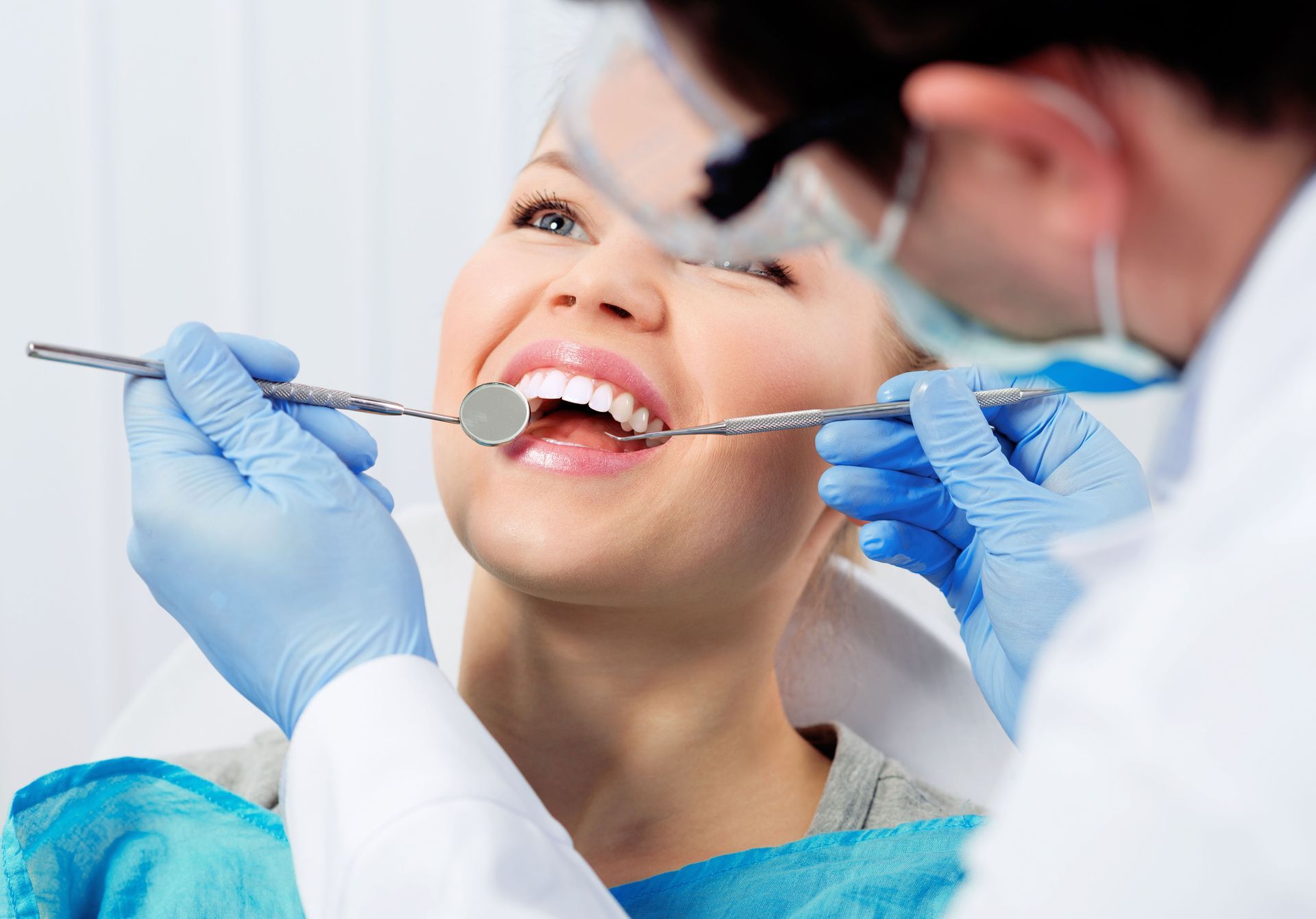
A dental professional can play an important role in identifying possible signs of sleep apnea and guiding next steps for care. A local dental office often sees early indicators during routine visits, especially when changes in jaw position, airway space, or oral health are present. While sleep apnea is commonly associated with sleep medicine, a dental evaluation can be an important part of the early discovery process.
Understanding how breathing, jaw alignment, and oral structures affect sleep can help connect the condition to the mouth and airway. This connection is why many people begin their journey toward better sleep through a local dental office, where oral health and airway support are closely observed.
Recognized Sleep Apnea Symptoms
Sleep apnea symptoms often show up in ways that are not immediately linked to sleep. These can include dry mouth, morning headaches, teeth grinding, or ongoing fatigue. A local dental office may notice wear patterns on teeth or signs of jaw tension that suggest disrupted sleep.
During routine evaluations, changes in oral health can provide early clues. A local dental office often looks at how the teeth and jaw function together, which can reveal pressure points that develop during sleep breathing interruptions. These signs may not feel severe at first, but they can point to a larger pattern affecting rest quality.
Many people do not connect tiredness or snoring with a sleep condition. A local dental office helps bring attention to these signs by observing how oral structures may be affected over time. This early awareness can lead to further evaluation and support.
Understanding Airway-Related Causes
Sleep apnea often relates to how the airway functions during rest. When the airway becomes narrow or partially blocked, breathing can become irregular. This is one of the main reasons sleep quality is disrupted.
A local dental office can assess how jaw position and oral structure may influence airway space. Even small shifts in structure may affect airflow. A dentist may also observe tongue position and soft tissue patterns that contribute to breathing changes. These observations help identify whether airway restriction may be present.
While dental evaluation is not the only step in understanding sleep apnea, it is an important part of the overall picture. When airway concerns are identified early, it becomes easier to connect symptoms like snoring or fatigue to a possible sleep-related condition.
Evaluating Breathing Patterns During Sleep
Breathing patterns during sleep can vary from steady to interrupted, depending on airway function. Sleep apnea is often characterized by pauses in breathing that may not be noticed by the individual. These interruptions can affect oxygen levels and sleep cycles.
A local dental office may notice indirect signs of disrupted breathing, such as worn teeth or tension in jaw muscles. These patterns often suggest that the mouth is under stress during sleep. Observing these changes helps build an understanding of how sleep quality may be affected.
According to Colgate, visiting the dentist twice a year is a good rule of thumb. Routine visits to a local dental office provide opportunities to track these changes over time. When breathing issues are suspected, further evaluation may be recommended through appropriate medical channels. A local dental office plays a supportive role in recognizing patterns that may otherwise go unnoticed.
Supporting Oral Health Connections to Sleep
Oral health and sleep quality are closely linked. Conditions like dry mouth, gum irritation, and tooth grinding can all be connected to nighttime breathing issues. These symptoms may appear gradually and become more noticeable over time.
A local dental office often evaluates these oral health changes as part of a broader view of patient wellness. Teeth grinding, also known as bruxism, is one common sign that may be associated with sleep disruptions. When pressure is placed on teeth during sleep, it can lead to wear and sensitivity.
Jaw discomfort and muscle tightness are also possible indicators. A local dental office can help identify whether these concerns may relate to nighttime breathing patterns. When oral health changes are observed together, they may suggest a deeper sleep-related concern. Understanding these connections helps create a clearer picture of how sleep and oral health influence each other.
Considering Approaches for Airway Support
Some sleep-related breathing concerns can be influenced by jaw position and airway space. In certain cases, oral positioning during sleep can affect airflow and comfort. This is where dental-based approaches may be considered as part of a broader care plan. A local dental office can help guide understanding of how oral structures may relate to these symptoms.
A local dental office can evaluate how the jaw and mouth interact during rest. This includes looking at alignment and how oral structures may contribute to airway restriction. These observations help determine whether dental-related approaches may support improved breathing patterns.
A local dental office may also coordinate with other professionals when sleep apnea is suspected. This collaborative approach helps ensure that all aspects of the condition are considered. While sleep apnea is a medical condition, dental input can provide valuable insight into structural factors that may contribute to it.
Coordinating Care for Sleep-Related Concerns
Sleep health is closely tied to overall wellness. When breathing is interrupted during rest, it can affect daily energy, focus, and mood. Sleep apnea often requires attention from multiple perspectives. Dental evaluation is one part of a larger process that may include sleep assessments and medical input. Coordination between fields helps create a more complete understanding of the condition.
A local dental office may observe early indicators and suggest further evaluation when needed. This helps connect oral health findings with broader sleep health concerns. When multiple signs are present, it becomes easier to identify patterns that may require additional attention.
Fatigue, snoring, and morning discomfort are often the symptoms that lead people to seek answers. A local dental office can help recognize when these symptoms may relate to airway or jaw function. This awareness supports more informed decisions about next steps.
Improving Long-Term Sleep Awareness
Many people are surprised to learn that oral health and sleep are connected. A local dental office helps bridge this understanding by observing how jaw function, tooth wear, and airway space interact and providing ongoing observation of oral health patterns that may relate to sleep quality. Over time, these observations can help identify trends that suggest disrupted breathing during sleep, creating a more complete view of overall health.
Long-term awareness of sleep health can make a meaningful difference in daily life. Small changes in breathing patterns or oral health can develop gradually, making them easy to overlook. Regular attention to these changes helps support early understanding of sleep-related concerns. Sleep apnea is not always easy to recognize without looking at multiple signs together. A local dental office can play a role in identifying those signs and supporting next steps for care.
Sleep apnea is a complex condition that affects both rest and daily function. Dental observation can provide valuable insight into early signs and structural factors that may influence breathing during sleep. If you're looking for guidance from a local dental office, contact Bedminster Family & Cosmetic Dentistry today to get a better understanding of sleep-related concerns and take informed next steps toward improved rest and wellness.




Share On: