
Maintain Healthy Teeth With Regular Dental Care
Regular dental appointments provide an opportunity to monitor oral health before minor concerns become more complicated problems. During an examination, a dental professional can evaluate teeth, gums, bite, and other areas of the mouth for signs that may require attention. Professional cleanings also remove plaque and hardened deposits that routine brushing may not fully eliminate. Consistent visits give patients a structured way to keep track of changes in their oral health over time. Regular dental care also gives patients a dependable opportunity to review concerns, ask questions, and understand how their oral health is changing. This preventive approach is an important part of maintaining healthy teeth throughout different stages of life.
Identify Cavities Before They Progress
Tooth decay can begin with subtle changes that are not always noticeable during everyday activities. A dental examination allows a professional to look for signs of decay and determine whether additional evaluation or treatment is appropriate. Identifying a cavity earlier can provide more opportunities to address the affected tooth before the problem becomes more extensive. Patients can also discuss any sensitivity, discomfort, or changes they have noticed between appointments. Regular dental care therefore supports ongoing monitoring rather than waiting until significant symptoms appear. It can also help patients understand why timely appointments matter even when their mouths feel comfortable.
Protect Gums From Developing Problems
Healthy gums provide important support for the teeth, making gum health a key part of maintaining an overall healthy mouth. Plaque accumulation around the gumline can contribute to inflammation and other periodontal concerns when it is not adequately managed. During routine appointments, dental professionals can evaluate the condition of the gums and identify changes that may warrant further attention. Professional cleanings can also address buildup in areas that are difficult to keep clean. Monitoring gum health consistently can help patients understand their oral condition and receive appropriate care when concerns arise. Ongoing dental care can make these evaluations a predictable part of a patient's health routine.
Maintain Professional Cleaning Benefits
Even with regular personal oral hygiene, plaque and calculus can accumulate in areas that are challenging to clean thoroughly. Professional dental cleanings are designed to remove this buildup and help keep the surfaces of teeth and the gumline cleaner. A hygienist can also identify areas where plaque tends to accumulate and communicate observations to the patient. This information can help patients better understand their individual oral health needs. Regular dental care also creates opportunities to discuss areas where professional cleaning may be particularly beneficial. Scheduling cleanings according to professional recommendations can make preventive care a consistent part of a patient's routine.
Monitor Changes in Oral Health
The condition of the mouth can change over time because of age, medications, habits, medical circumstances, dental history, and other factors. Regular examinations create opportunities to compare current findings with previous visits and identify changes that may need attention. Dental professionals can monitor existing restorations, tooth wear, gum condition, and other aspects of oral health during these appointments. According to PR Newswire, one in five consumers either never visits a dentist or only goes when an emergency occurs, highlighting how some people may receive care only after a problem becomes urgent. Maintaining scheduled appointments can provide a more proactive way to monitor oral health instead of relying solely on emergency visits. Consistent dental care allows concerns to be evaluated before they necessarily interfere with daily comfort or function.
Address Tooth Sensitivity and Discomfort
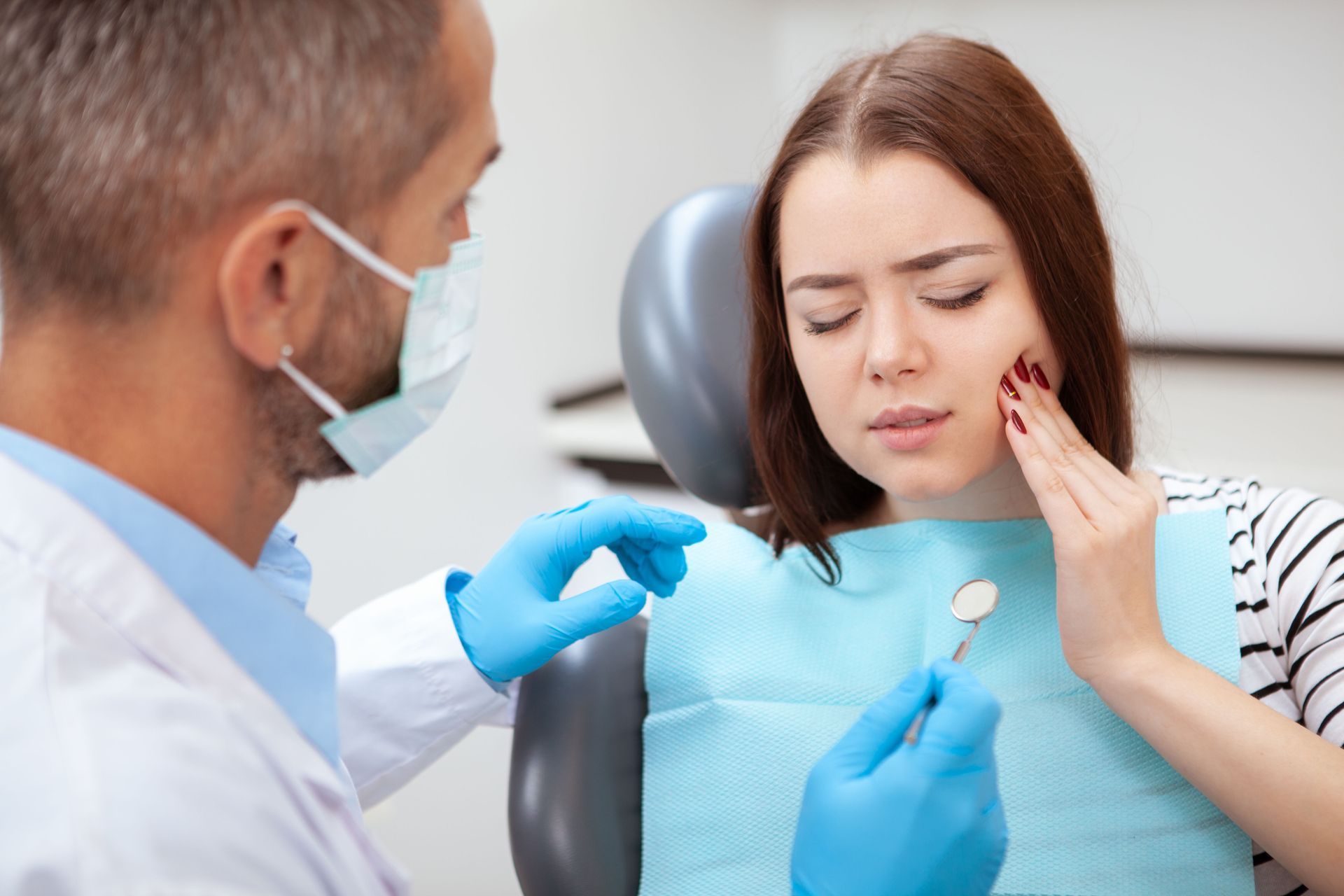
Sensitivity to hot, cold, sweet, or acidic foods can have several possible causes, including decay, worn enamel, gum recession, or other dental concerns. Persistent discomfort should be evaluated by a dental professional rather than assumed to be a temporary issue. During an appointment, the dentist can assess the affected area and determine whether additional examination or treatment is needed. Addressing symptoms through professional evaluation can help identify underlying causes and guide appropriate care. Patients should also mention changes in discomfort, even when the symptoms seem relatively minor.
Evaluate Existing Dental Restorations
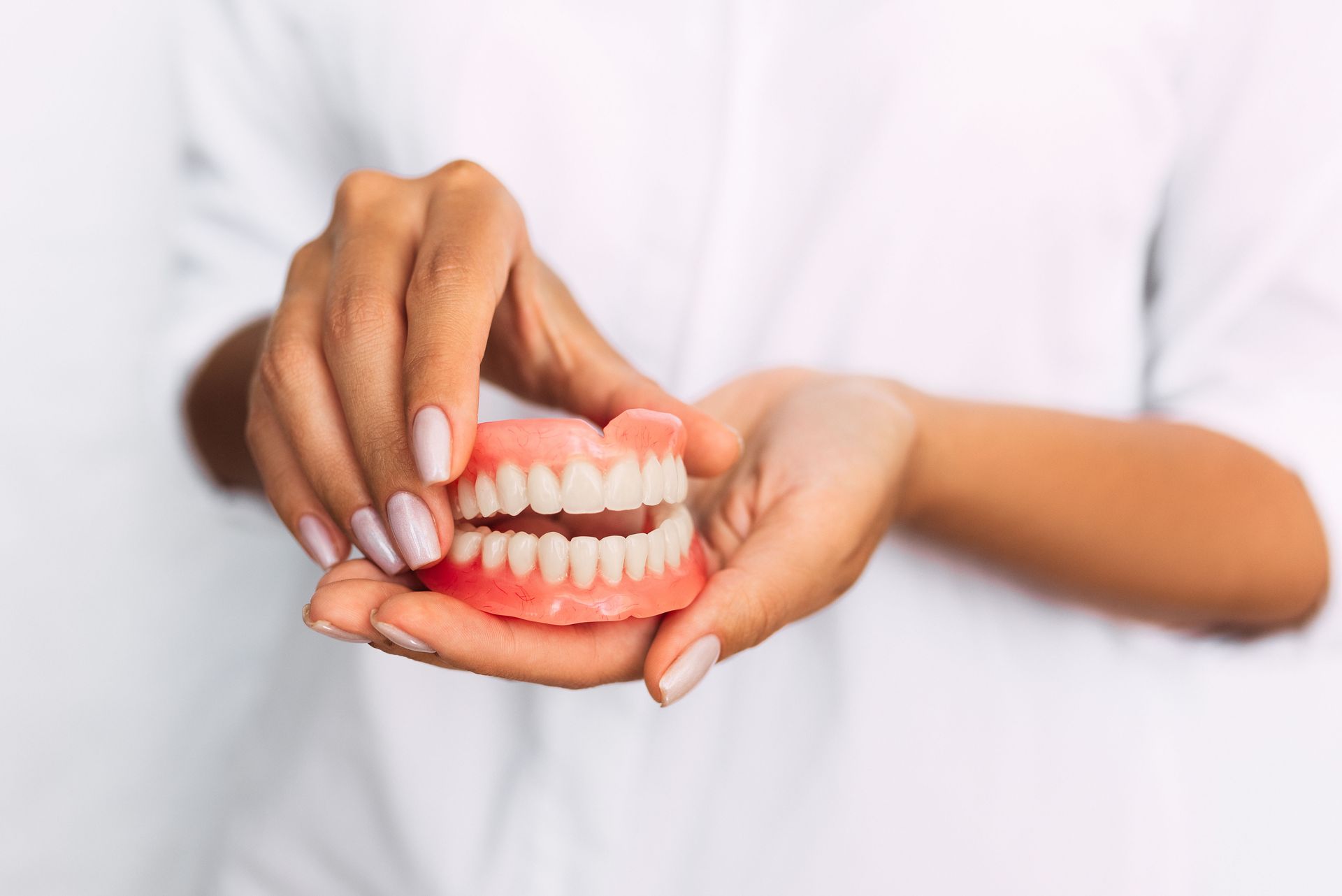
Fillings, crowns, bridges, and other dental restorations can play an important role in preserving the function and appearance of teeth. These restorations can change over time due to normal use, wear, surrounding tooth conditions, or other factors. Routine examinations allow dental professionals to assess existing restorative work and determine whether any areas require monitoring or treatment. Early attention to a compromised restoration may help prevent additional damage to the tooth underneath or around it. Regular dental care includes evaluating both natural teeth and previously treated areas so the condition of the entire mouth can be considered.
Support Long-Term Oral Function
Healthy teeth contribute to comfortable chewing, clear speech, and normal daily function. Maintaining oral health over time involves monitoring tooth condition, gum health, existing restorations, and other factors that can affect how the mouth functions. Dental professionals can identify changes that may interfere with comfort or function and recommend appropriate treatment when necessary. Preventive appointments also provide opportunities to discuss concerns that may not have become noticeable during everyday activities. A consistent approach to oral health can support the continued function of the teeth and surrounding structures.
Develop Age-Appropriate Preventive Strategies
Oral health needs can change throughout childhood, adolescence, adulthood, and later life. Children may need monitoring as primary and permanent teeth develop, while adults may require continued attention to restorations, gum health, tooth wear, and other concerns. Older adults can also experience changes related to medications, dry mouth, restorations, or other age-associated factors. Dental professionals can adapt preventive recommendations according to a patient's individual circumstances and dental history. This individualized approach allows preventive care to remain relevant as oral health needs evolve.
Maintain Regularity Between Appointments
Preventive dental visits work most effectively when appointments are maintained consistently rather than scheduled only after discomfort develops. The appropriate frequency can vary according to oral health history, current conditions, risk factors, and professional recommendations. Keeping appointments allows dental professionals to maintain a record of changes and provide care based on current findings. It also gives patients recurring opportunities to discuss questions or concerns about their oral health. Consistency can make preventive dentistry a normal part of overall health management rather than an occasional response to a problem.
Coordinate Comprehensive Dental Services
A comprehensive dental practice can provide different types of services based on a patient's needs, from preventive examinations and cleanings to restorative and cosmetic treatments. Having ongoing care in one practice can make it easier to maintain records, monitor changes, and discuss treatment options as circumstances develop. Patients can also benefit from discussing multiple concerns during appointments, so the dental team has a complete understanding of their oral health. Coordinated services can support a more organized approach to maintaining teeth and gums. The specific services appropriate for each patient should be determined through professional evaluation. Comprehensive dental care can also help patients coordinate preventive attention with restorative needs as those needs change over time.
Bedminster Family & Cosmetic Dentistry provides dental services designed to help patients maintain their oral health through ongoing professional attention. We can evaluate your teeth and gums, provide preventive services, monitor changes, and discuss treatment options based on your individual needs. Our team can also help you establish a consistent approach to maintaining your smile through regular appointments. If you are ready to make preventive
dental care a regular part of your health routine, contact Bedminster Family & Cosmetic Dentistry to schedule an appointment and discuss your oral health needs.






Share On: