
Why Preventive Dental Care Matters at Every Age
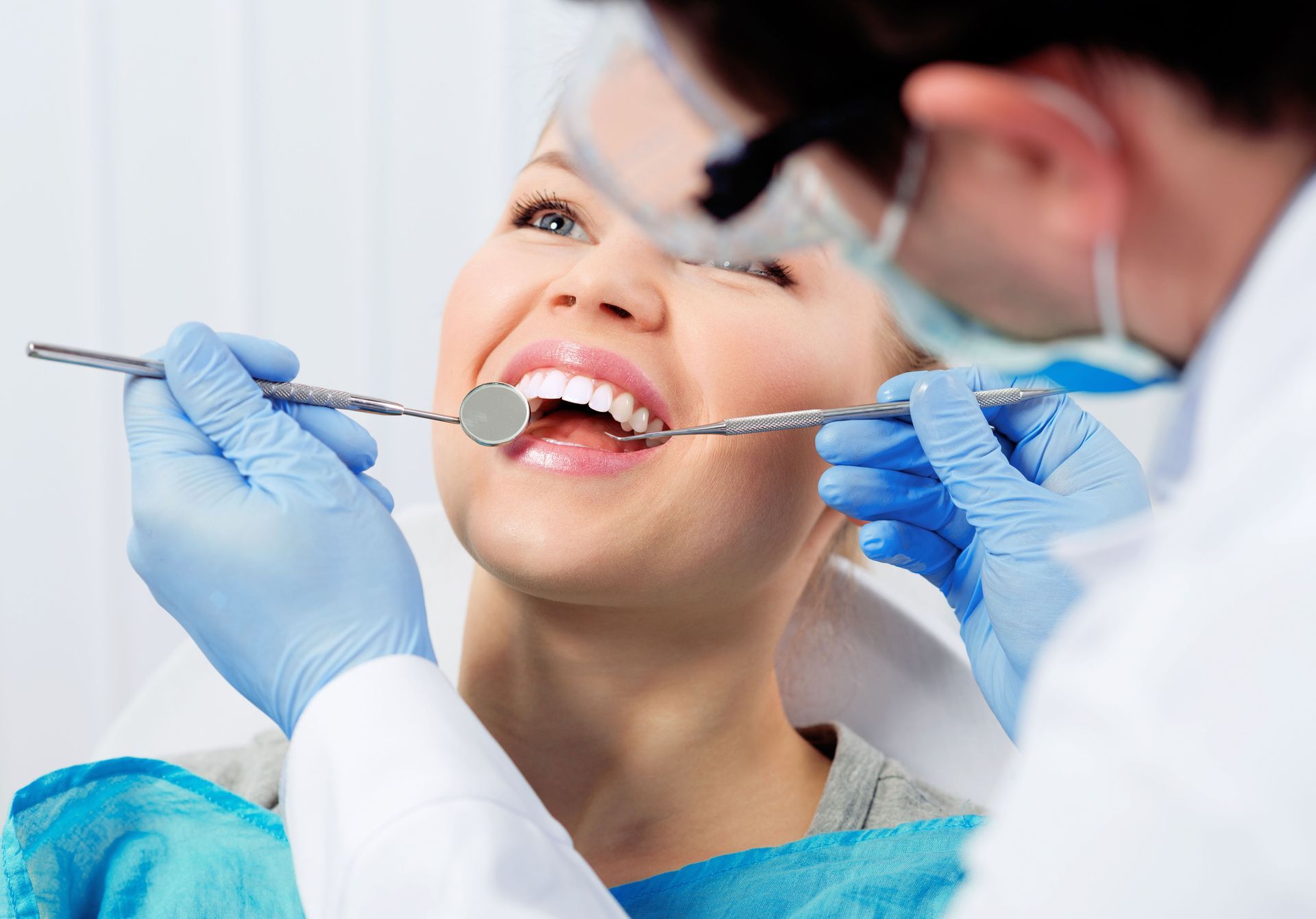
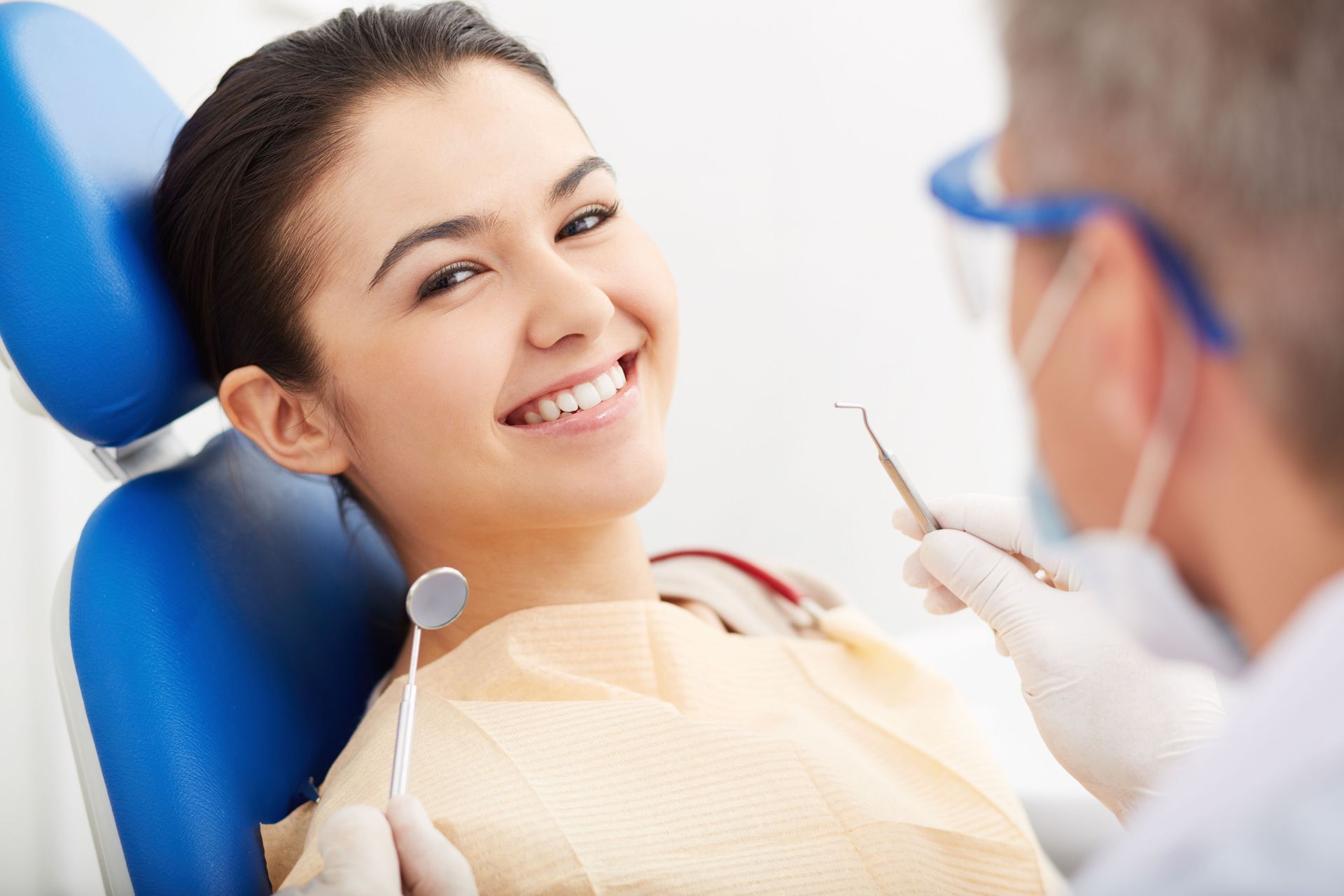
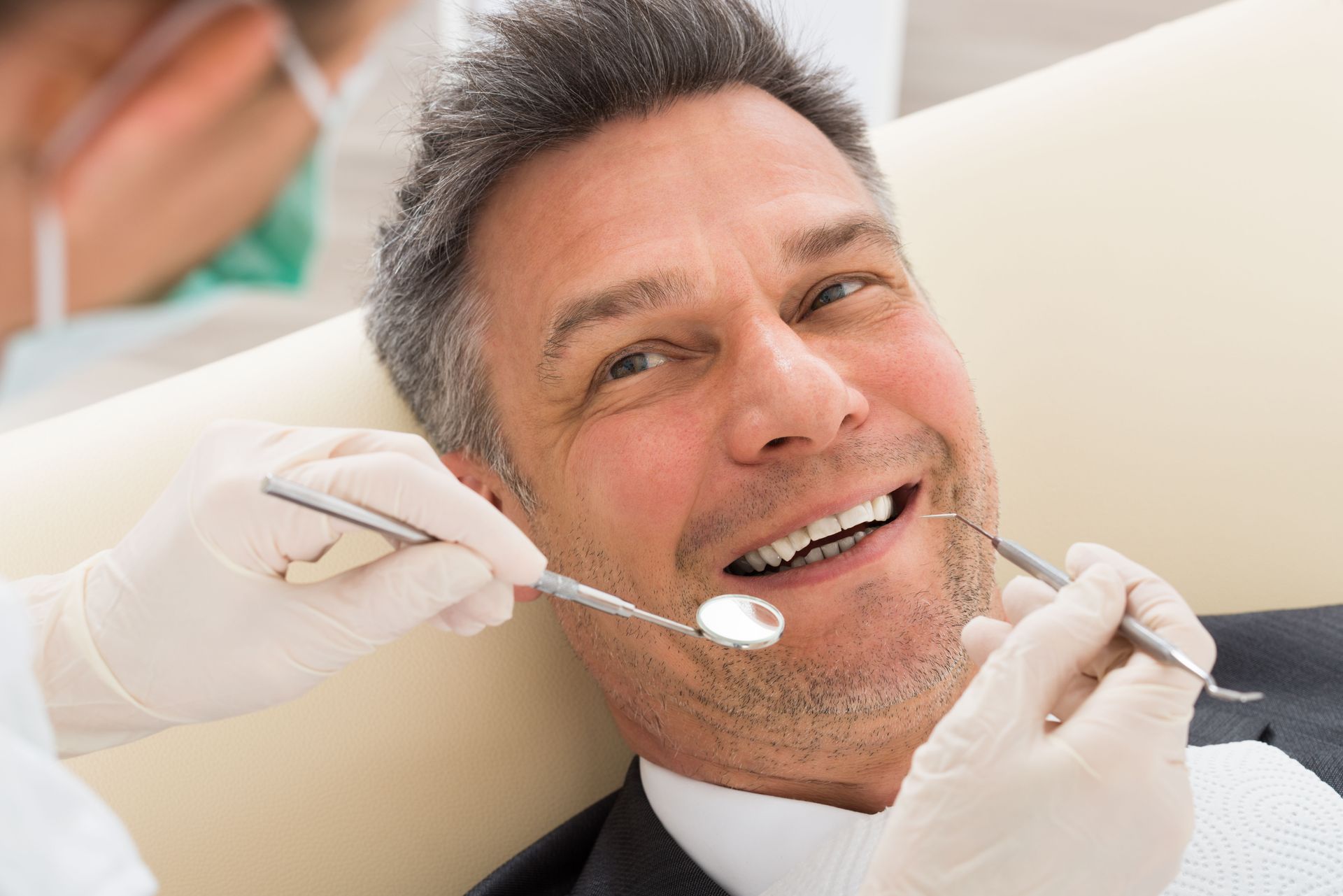
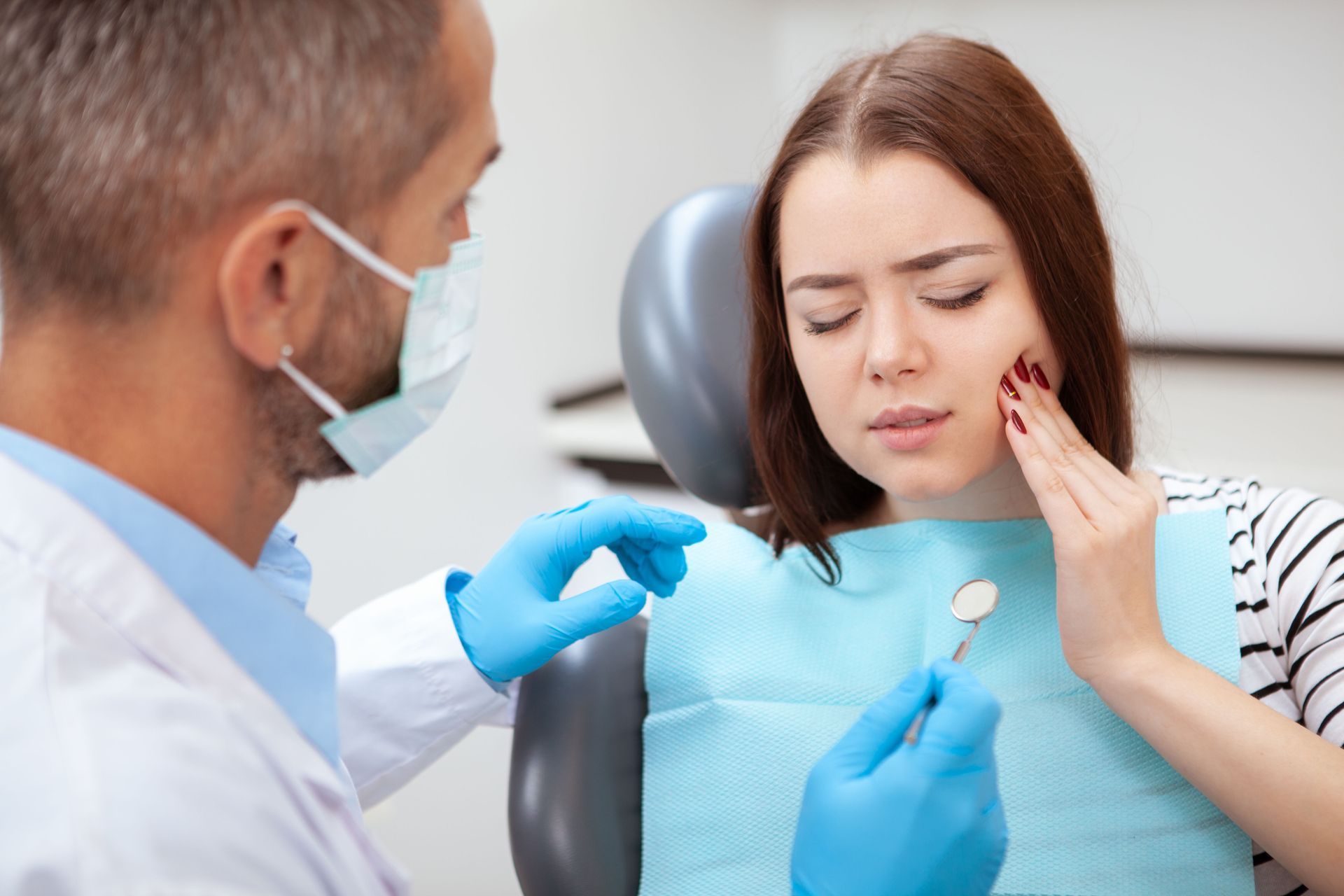
Preventive dental care plays an important role in protecting teeth and gums throughout every stage of life. Oral health needs change over time, but regular brushing, flossing, professional cleanings, and routine examinations remain important from childhood through older adulthood. Preventive care can help identify cavities, gum problems, enamel wear, bite concerns, and other issues before they become more difficult to manage. It can also support habits that make daily oral hygiene more effective. Working with a dentist at regular intervals gives individuals and families an opportunity to monitor changes, ask questions, and receive guidance based on age, health history, and current needs. Understanding how preventive care supports different age groups can make it easier to maintain healthier teeth and gums over the long term.
Building Healthy Habits During Childhood
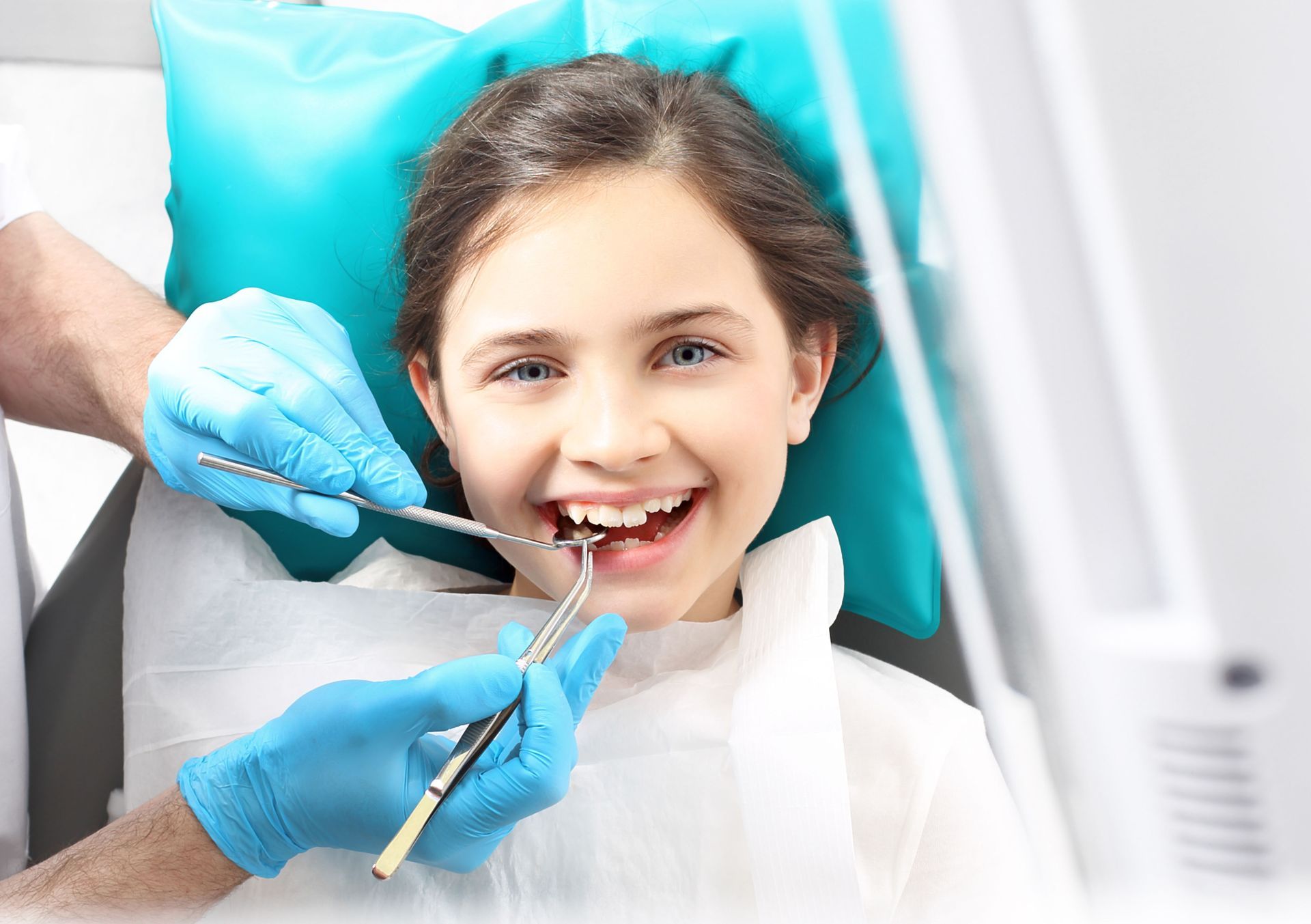
Childhood is an important time for establishing routines that can influence oral health for years. Young children are learning how to brush, how much toothpaste to use, and why cleaning their teeth consistently matters. Parents and caregivers often need to supervise these routines until children develop the coordination needed to brush thoroughly on their own. Preventive visits can also help families understand how diet, frequent snacking, sugary drinks, and oral hygiene habits may affect developing teeth. Early guidance can make daily dental care feel like a normal part of a child's routine rather than something introduced only when a problem occurs.
A dentist can also monitor how baby teeth and permanent teeth are developing. Regular examinations may reveal early signs of decay, crowding, bite concerns, or other changes that are easier to address when identified promptly. Professional cleanings can remove plaque and buildup that brushing may miss, while discussions about sealants, fluoride, and home care can help families understand available preventive options. Positive early experiences with dental visits may also make children more comfortable with future appointments and more willing to participate in their own oral care.
Protecting Oral Health Through the Teen Years
Teenagers often face a different set of oral health challenges. Busy schedules, sports, school activities, irregular meals, and increased independence can make consistent brushing and flossing harder to maintain. Teens may also consume sugary drinks or snacks throughout the day, which can increase exposure to acids and sugars. Orthodontic appliances can add another layer of difficulty because brackets, wires, or aligners may create areas where food particles and plaque collect. Preventive care can help reinforce good habits during a stage when routines may become less consistent.
Regular visits also allow a dentist to check for cavities, gum irritation, enamel wear, and changes related to wisdom teeth or orthodontic treatment. Teens involved in sports may benefit from discussions about mouthguards and protecting teeth from injury. Those using braces or aligners may need extra guidance about cleaning around appliances and maintaining healthy gums. Preventive appointments can provide practical feedback that helps teenagers understand how everyday choices affect their oral health while giving them a chance to become more responsible for their own care.
Maintaining Oral Health in Early Adulthood
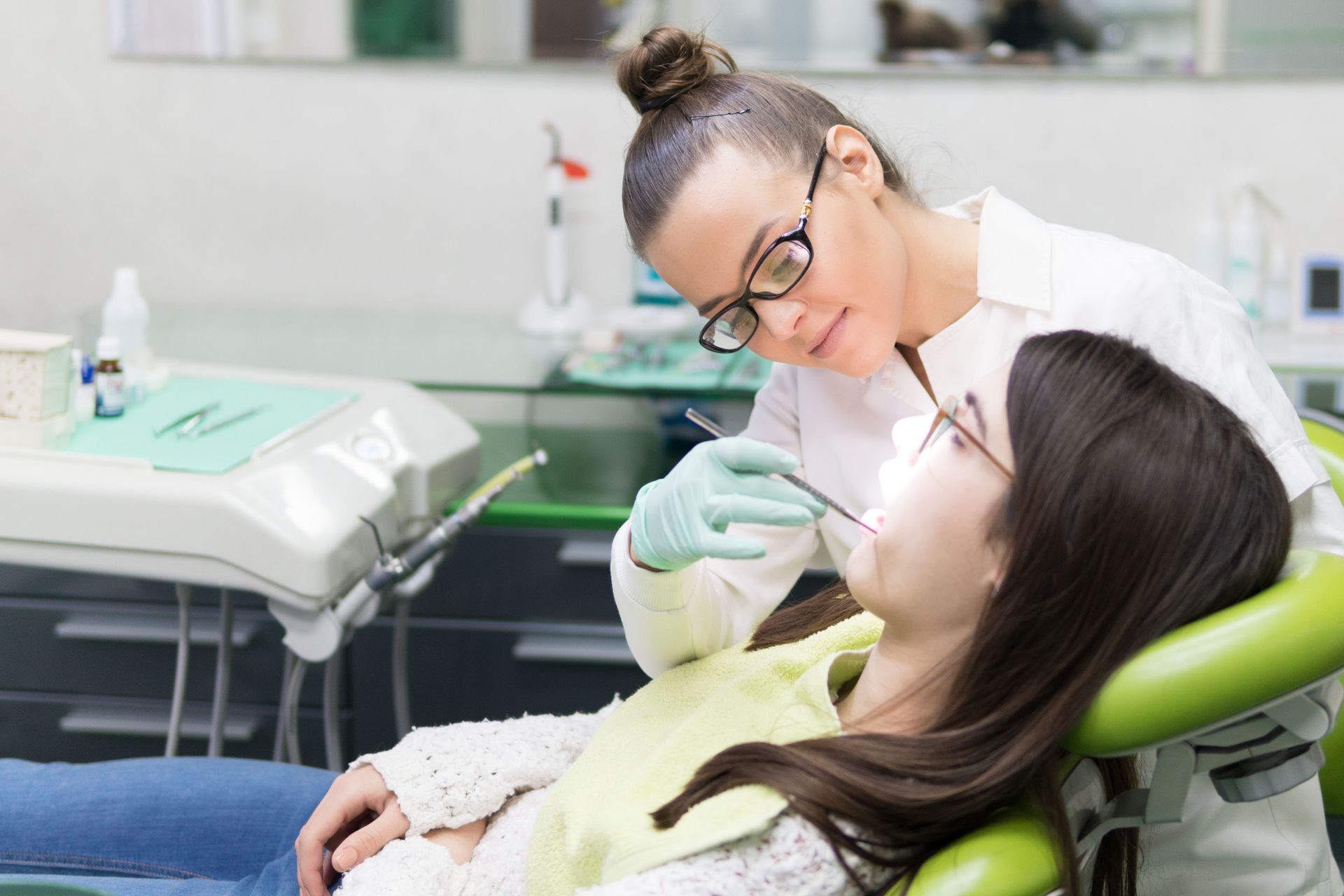
Early adulthood can bring major lifestyle changes, including college, full-time work, marriage, pregnancy, or living independently for the first time. With more responsibilities competing for attention, routine dental care can become easier to postpone. However, cavities, gum inflammation, and other problems can still develop even when teeth feel fine. Preventive care can help adults stay aware of changes that may not cause discomfort right away and maintain routines that support long-term oral health.
A dentist can evaluate the condition of teeth, gums, fillings, crowns, and other dental work while also watching for signs of grinding, clenching, or enamel erosion. Adults may also have questions about sensitivity, gum care, or changes in appearance. Routine cleanings can help control plaque and tartar, while examinations provide a chance to identify concerns before they require more involved treatment. Maintaining consistent appointments during early adulthood can help preserve the work already invested in oral health during childhood and adolescence.
Managing Changes During Middle Age
As people move through middle age, changes in gum health, tooth wear, old restorations, and medical conditions may become more noticeable. Fillings and crowns placed years earlier may need monitoring, while teeth may show signs of grinding, cracking, or gradual enamel loss. Some medications can also contribute to dry mouth, which may increase the risk of decay because saliva helps protect teeth and wash away food particles. Preventive care becomes increasingly useful for tracking these changes and making adjustments before problems become more extensive.
Routine dental visits can also help monitor gum health because periodontal problems may develop gradually and without obvious pain. Bleeding, recession, persistent bad breath, or changes in tooth stability can all deserve attention. Professional cleanings remove hardened deposits that cannot be brushed away at home, while examinations can help identify areas that need more focused care. Maintaining preventive routines during middle age can support comfort and function while helping preserve natural teeth for as long as possible.
Preserving Function During Older Adulthood
Older adults may face a wider range of dental concerns, including dry mouth, gum recession, root decay, tooth loss, worn restorations, and difficulty cleaning around dental work. Changes in dexterity, vision, or overall health can also make daily brushing and flossing more challenging. According to the National Center for Health Statistics, 13.2 percent of adults aged 65 and older have lost all of their teeth, creating a need for specialized dental care. These realities make preventive attention especially important as oral health needs become more complex.
Regular dental care can help older adults monitor remaining teeth, dentures, bridges, implants, and other restorations while providing strategies that match changing abilities and health conditions. Preventive appointments may also identify sore spots, gum changes, broken dental work, or difficulty chewing before those issues more seriously interfere with nutrition or comfort. Care plans can be adjusted as needs change, making regular evaluations a useful part of maintaining oral function and supporting quality of life.
Adapting Preventive Care to Changing Needs
Preventive dental care is not exactly the same for every person or every stage of life. Children may need more help with brushing technique, teens may need support around orthodontic care, adults may need monitoring for gum disease or worn restorations, and older adults may need strategies for dry mouth or tooth replacement. Health conditions, medications, diet, pregnancy, and previous dental work can also influence the type and frequency of care that may be appropriate.
A dentist can tailor recommendations based on these individual factors rather than relying on a one-size-fits-all approach. Some people may need more frequent cleanings or closer monitoring, while others may be able to maintain oral health with standard preventive intervals. The key is to adjust care as circumstances change. Regular evaluations provide opportunities to update home-care strategies, discuss new concerns, and make sure preventive routines continue to match current oral health needs.
Preventive dental care matters at every age because oral health changes continuously from childhood through older adulthood. Building good habits early, maintaining regular cleanings and examinations, monitoring gum health, protecting dental work, and adapting care to changing needs can all help preserve comfort and function over time. Routine visits with a dentist also provide opportunities to identify problems before they become more complicated and to receive guidance that reflects each stage of life. Preventive care works best when it combines consistent home habits with professional evaluation and maintenance. For support with preventive dental care for individuals and families, contact Bedminster Family & Cosmetic Dentistry.




Share On: