
The Truth About Sensitive Teeth: Causes, Treatments, and Long-Term Relief
Sensitive teeth can make everyday activities like eating and drinking uncomfortable or even painful. Understanding the root causes, effective treatments, and strategies for long-term relief can help individuals manage their dental sensitivity more effectively. This article explores these aspects in detail, providing insights into the complexities of dental sensitivity. The journey to understanding and managing sensitive teeth starts with your local dentist identifying the specifics of the condition. Let us delve deeper to explore the intricate factors affecting dental health and methods to alleviate the discomfort associated with sensitive teeth.
Understanding Dental Sensitivity
Definition of Dental Sensitivity
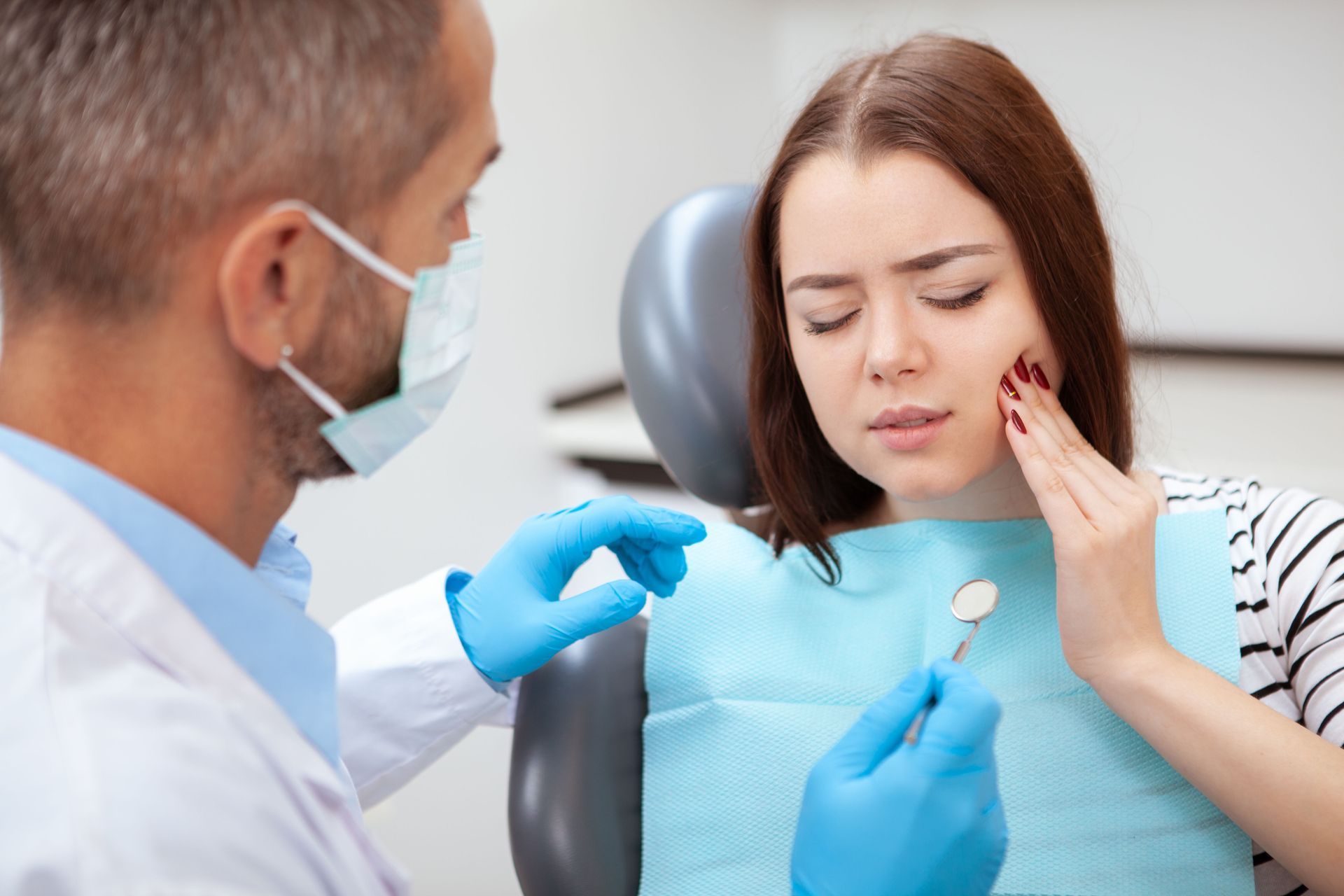
Dental sensitivity occurs when the protective enamel on teeth is worn away, exposing the softer dentin underneath. This exposure allows external stimuli such as cold, heat, or sweetness to reach the nerves inside the tooth, causing pain. Those suffering from sensitivity often describe the pain as sharp and sudden. It can manifest in response to various triggers, making it important to identify and understand the unique pain metrics involved. This understanding is crucial for managing the condition effectively with your local dentist.
Prevalence of Sensitive Teeth
Dental sensitivity is a common issue affecting individuals around the world. Studies show that around 1 in 8 people experience tooth sensitivity at some point in their lives. The condition transcends demographics, affecting both men and women across various age groups. According to the Oral Health Foundation, approximately 2.5 billion people live with untreated tooth decay in permanent teeth; the prevalence of sensitivity is closely linked to broader dental health challenges. It underscores the need for widespread awareness and proactive management to prevent progression.
Mechanisms Behind Pain Sensation
Sensitive teeth pain is rooted in the structure of the tooth itself. When enamel erodes, dentin becomes vulnerable, allowing external factors to interact with nerve endings. This interaction results in a sharp pain known colloquially as \"tooth shock.\" Enamel erosion isn't the only mechanism; gum recession can also expose dentin, heightening pain sensitivity. Understanding these underlying mechanisms is key to adopting specific strategies for relief.
Common Causes of Tooth Sensitivity
Gum Recession
Gum recession is a major cause of dental sensitivity and occurs when gum tissue recedes downward, exposing the tooth roots. The roots, unlike the crowns of teeth, are not covered by enamel and thus are more susceptible to irritation and decay. Common triggers for gum recession include brushing too hard, periodontal disease, or even genetics. Addressing gum recession involves contacting a local dentist, improving oral hygiene techniques, and sometimes surgical intervention to restore gum tissue. Understanding this cause is crucial for effective treatment and prevention of further sensitivity.
Enamel Erosion
Enamel erosion is another leading cause of tooth sensitivity, often resulting from dietary habits or acidic exposure. Acids from food and beverages like citrus fruits, soda, and wines can erode enamel over time. The thin layer of enamel is the first line of defense for the underlying dentin, and its erosion exposes sensitive areas. Prevention strategies are centered around moderating the intake of acidic substances and promoting the use of remineralizing dental products. By understanding how lifestyle choices impact enamel integrity, individuals can proactively protect their teeth.
Teeth Grinding and Clenching
Teeth grinding, or bruxism, is an involuntary habit that can wear down teeth and exacerbate sensitivity. This grinding can occur during sleep or even throughout the day, often due to stress or misaligned teeth. When enamel is gradually worn away, the protective barrier diminishes, leaving nerves exposed to temperature fluctuations and food intake. Custom dental appliances like mouthguards can mitigate grinding, protecting enamel from further damage. Recognizing and managing bruxism is an essential component in treating tooth sensitivity and preserving oral health.
Diagnosis and Assessment
Professional Evaluation
A professional dental evaluation from a local dentist is crucial for accurately diagnosing tooth sensitivity. Dentists employ various diagnostic techniques to identify the specific cause of sensitivity and its severity. During a consultation, visual examinations, dental histories, and symptom discussions help shape an effective treatment plan. Dental professionals can also determine any underlying conditions or treatments that need to be addressed. Routine dental visits are essential in maintaining oral health, optimizing diagnosis, and managing sensitivity symptoms effectively.
Diagnostic Tools and Tests
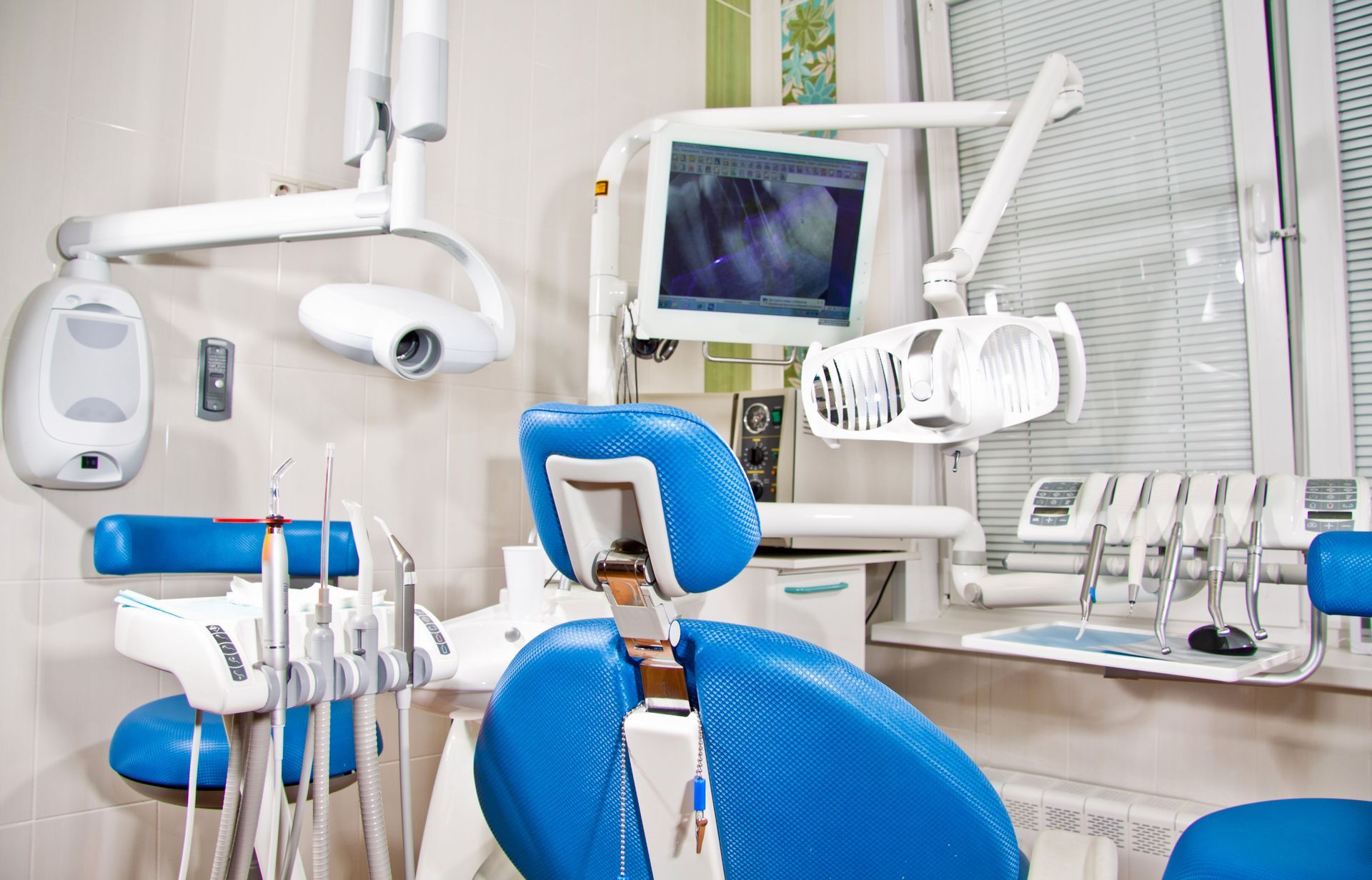
Local dentists use various diagnostic tools and tests to identify the underlying causes of tooth sensitivity. These might include thermal tests, X-rays, and bite evaluations that reveal structural weaknesses or decay. Advanced methods like lasers or specialized imaging can explore deeper regions of the tooth to determine sensitivity origins. Diagnostic tools elucidate pain mechanisms, offering detailed information for a comprehensive treatment plan. By utilizing these resources, dentists can pinpoint sensitivity's root cause and recommend optimal solutions.
Effective Treatment Options
Desensitizing Toothpastes
Desensitizing toothpastes are a primary treatment option for managing tooth sensitivity. These toothpastes work by occluding exposed dentinal tubules or desensitizing nerve endings within the tooth. Ingredients such as potassium nitrate or fluoride are common in reducing discomfort by forming a protective layer over sensitive areas. Consistent use of these toothpastes can diminish pain responses, allowing sufferers to maintain daily activities with ease. Incorporating desensitizing toothpaste into an oral care regimen is a simple yet effective way to address sensitivity.
Fluoride Treatments
Fluoride treatments offer valuable benefits in strengthening enamel and reducing tooth sensitivity. High-concentration fluoride applications, administered by dental professionals, remineralize teeth, creating a barrier against external stimuli. These treatments are particularly effective for individuals with weakened enamel or early-stage decay contributing to sensitivity. Over-the-counter fluoride rinses can complement these treatments, providing ongoing enamel reinforcement. Regular fluoride treatments can substantially alleviate sensitivity, promoting long-term oral health and resilience against dental challenges.
Dental Bonding and Sealants
Dental bonding and sealants serve as protective measures in reducing tooth sensitivity. Bonding involves applying a tooth-colored resin to cover exposed areas, shielding nerves from stimuli. Sealants, often used for posterior teeth, are thin coatings that provide an additional layer of protection against enamel erosion. Both procedures offer significant pain relief and enhance the structural integrity of teeth. For patients experiencing moderate sensitivity, bonding and sealants represent viable solutions in preserving dental health while minimizing discomfort.
Long-Term Relief Strategies
Creating an Oral Care Routine
Developing a consistent oral care routine is critical for achieving long-term relief from tooth sensitivity. Integrating sensitivity-reducing products, such as desensitizing toothpaste and fluoride rinses, strengthens enamel and minimizes discomfort. Regular brushing and flossing maintain cleanliness, preventing gum recession and plaque-related erosion. Incorporating regular visits to your local dentist allows for personalized guidance and timely adjustments to care strategies. An effective oral care routine serves as the foundation for mitigating sensitivity, fostering enduring dental health.
Monitoring Progress and Sensitivity Changes
Monitoring progress and changes in sensitivity patterns is essential for effective management. Keeping a record of sensitivity intensity and triggers offers valuable insights into treatment efficacy and required adjustments. Through observation and documentation, individuals can share vital information with dental professionals, facilitating more tailored interventions. Monitoring progress empowers patients in understanding their sensitivity journey and adjusting strategies for continued improvement. This ongoing commitment to vigilance is a cornerstone for thriving oral health.
Adapting to Shifts in Sensitivity Levels
Adapting to shifts in sensitivity involves proactive engagement with changing oral health dynamics. Sensitivity levels may fluctuate due to diet, lifestyle, or treatment efficacy, warranting updates to care plans. Collaborating with a local dentist to modify interventions ensures alignment with evolving needs. Constant self-awareness and readiness to pivot treatment strategies underpin successful long-term sensitivity management. Adaptability enables individuals to maintain comfort and efficacy in navigating dental sensitivity challenges.
Sensitive teeth are a common affliction that can greatly impact daily life. However, understanding the causes, available treatments, and proper lifestyle adjustments can provide significant relief and improve quality of life. By being proactive about oral hygiene and seeking guidance from a local dentist, individuals can manage and even overcome dental sensitivity. With targeted interventions and lifestyle changes, the discomfort associated with sensitive teeth can be minimized. Committing to a holistic and informed approach ensures enduring dental health, free from the constraints of sensitivity.
Schedule an appointment with your local dentist at Bedminster Family & Cosmetic Dentistry today to get personalized treatment and enjoy a pain-free, healthy smile!






Share On: