
What Happens When You Ignore a Missing Tooth?
Understanding the implications of neglecting a missing tooth is essential for promoting long-term dental health. A missing tooth may seem trivial, yet it can have far-reaching effects on your overall well-being. Dental health is integral to our daily lives, playing a pivotal role in physical appearance, speech, chewing efficiency, and personal confidence. By exploring the repercussions of ignoring a missing tooth, we gain valuable insight into the importance of timely clinical intervention. Addressing this space early is vital to prevent severe dental issues, preserve your quality of life, and protect your self-esteem.
We often underestimate the role of each individual tooth in maintaining a harmonious oral environment. Teeth work collectively to create the intricate balance needed for proper chewing, clear speech, and balanced facial aesthetics. When even a single tooth is missing, it disrupts this natural harmony, leading to progressive structural problems. Addressing this gap promptly stops a cascade of oral health challenges. According to WebMD, dental implants have a success rate of 90% to 95% for individuals with good health and oral hygiene habits, making modern restorative dentistry a highly predictable way to restore complete oral function.
Shifting Teeth and Alignment Issues
The absence of a tooth creates an open space that neighboring teeth inevitably begin to drift into over time. This movement is a natural physiological response, as teeth seek contact stability by filling empty spaces. Over time, this drifting creates noticeable gaps, unnatural tilting, and altered spacing between other healthy teeth. This domino effect demonstrates how a single missing tooth can instigate a widespread cascade of changes throughout your mouth, compromising the structural stability of the entire arch.
Teeth shifting toward an open gap is not merely an aesthetic concern; it severely impacts the functional aspects of your mouth. As teeth tilt and move out of position, severe alignment issues become pronounced, altering how upper and lower teeth meet during biting. A well-aligned bite is crucial for effective chewing, ensuring that food is thoroughly ground for proper digestion. When a tooth goes missing, the body's natural attempts to compensate lead to unintended structural consequences that require extensive orthodontic or restorative care if left unchecked.
Furthermore, a missing tooth creates imbalanced mechanical pressure during daily biting and chewing. These pressure discrepancies strain adjacent teeth, overload the jaw joints, and accelerate tooth wear. Ignoring these alignment changes leads to significant dental challenges as the structural harmony of the mouth collapses. Maintaining normal tooth alignment is vital to prevent long-term joint and muscle complications. Choosing to place a dental implant promptly preserves the natural function, bite alignment, and aesthetics of your smile.
Changes in Bite and Occlusion
Bite changes are inevitable when a tooth is missing, leading to complex occlusal adjustments. As teeth drift into the empty space, occlusal forces shift, altering natural bite patterns. These changes cause teeth to meet at improper angles during chewing, leading to localized wear, enamel chipping, and temperature sensitivity. Ignoring an altered bite leads to greater dental challenges down the line, such as stress fractures in healthy teeth that were never designed to bear excessive, off-center biting forces.
Misalignment in your bite extends beyond tooth wear, directly impacting muscle function around the face and jaw. The temporomandibular joints, which facilitate smooth jaw movement, experience increased mechanical stress. This stress manifests as localized joint pain, chronic facial discomfort, and conditions like temporomandibular joint disorder. With every bite, surrounding jaw muscles are inadvertently strained, leading to persistent tension headaches. These structural bite changes underscore the urgent need to replace missing teeth early.
Ongoing bite issues further complicate daily activities like eating and speaking comfortably. Proper bite alignment ensures efficient chewing, which is essential for maintaining a balanced diet and smooth digestion. As bite misalignment progresses, it hinders basic oral functions and often requires complex full-mouth reconstruction. By restoring your natural bite with a permanent dental implant, you avoid these cascading complications and preserve long-term oral health.
Increased Risk of Tooth Decay and Gum Disease
The movement of teeth into a missing tooth gap creates tight, hard-to-clean spaces between shifted teeth. These crowded areas become prime traps for food debris, plaque accumulation, and bacterial growth, significantly increasing the risk of tooth decay. As decay progresses on hard-to-reach tooth surfaces, it weakens enamel and damages surrounding gum tissue. Furthermore, crooked teeth complicate daily oral hygiene routines, making it difficult to sweep away daily plaque.
Gum disease often follows plaque buildup, as toxic bacteria irritate the soft tissues and trigger chronic inflammation. Left untreated, mild gingivitis rapidly progresses to periodontitis, causing irreversible gum recession and underlying bone destruction. This destruction threatens the stability of remaining healthy teeth throughout your mouth. Ensuring regular professional cleanings and replacing the missing space with a dental implant counteracts these severe periodontal risks.
Comprehensive oral care becomes challenging when teeth shift out of alignment. While diligent daily brushing and interdental flossing are vital, shifting teeth create physical pockets that standard flossing cannot reach. Proactively managing these newfound hygiene challenges requires restoring the missing tooth. By placing a dental implant, you close the unnatural gap, realign the arch, simplify daily oral hygiene, and drastically reduce your long-term risk of gum disease.
Jaw Pain and Discomfort
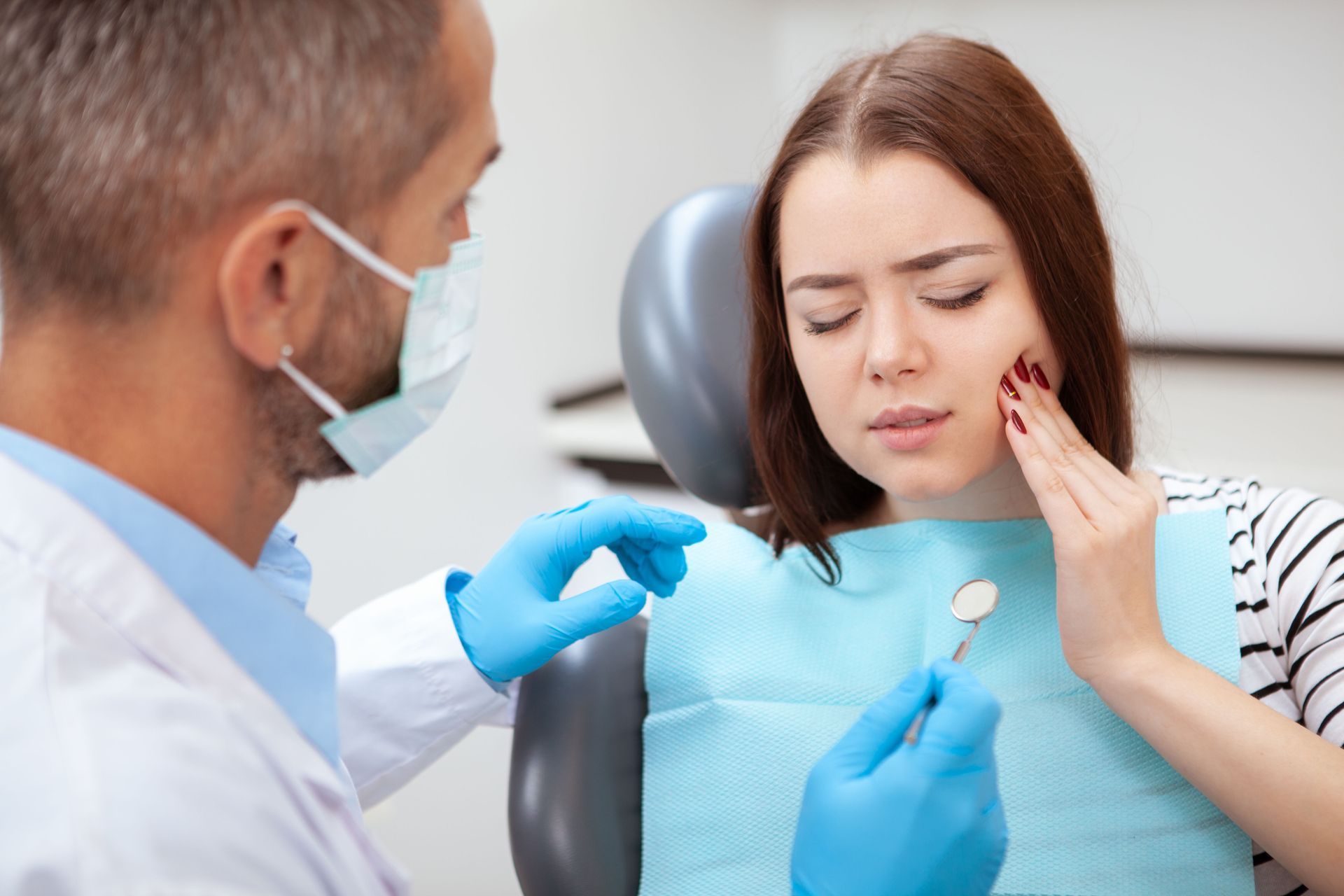
Misaligned teeth place continuous physical stress on the jaw muscles, which must constantly adjust to compensate for an uneven bite. The resulting rearrangement places undue pressure on the temporomandibular joint, manifesting as persistent jaw pain, clicking sounds, painful popping, and recurring tension headaches. Replacing the lost tooth with a dental implant restores proper bite height, redistributes chewing forces evenly, and immediately relieves chronic stress on the jaw joints.
Chronic jaw discomfort deeply impacts physical, emotional, and psychological well-being. Persistent joint pain reduces eating pleasure, disrupts sleep patterns, and diminishes daily quality of life. Fortunately, these physical challenges are successfully resolved through targeted restorative dental care. Utilizing a permanent dental implant replaces the missing root structure, stabilizes the bite, and prevents chronic jaw strain from becoming a permanent physical impairment.
Bone Loss in the Jaw
The physical stimulation provided by natural tooth roots is vital for maintaining healthy jawbone density. Teeth transmit natural chewing forces through their roots directly into the surrounding jawbone, stimulating continuous bone regeneration and preventing tissue resorption. When a tooth is lost, this critical stimulation stops immediately, triggering a rapid, permanent reduction in localized bone mass. Without the protective intervention of a dental implant, jawbone loss progresses rapidly over the first year following tooth extraction.
Jawbone deterioration alters facial appearance as the lower face loses its structural support. Bone loss undermines the foundation of adjacent teeth, heightening the risk of further tooth loss. Placing a biological substitute like a dental implant emulates natural root forces on the jawbone, effectively halting the bone resorption process. Timely tooth replacement is essential for preserving long-term jawbone mass, facial symmetry, and foundational oral health.
Furthermore, advanced bone loss in the jaw contributes to premature aging, causing the cheeks and lips to collapse inward into a sunken profile. By prioritizing treatments that encourage jawbone stimulation, you maintain a youthful facial structure and avoid complex bone grafting procedures in the future. Modern solutions like a standalone dental implant restore natural chewing forces, preserve facial aesthetics, and protect surrounding bone density for life.
Ignoring a missing tooth leads to shifting alignment, accelerated tooth decay, chronic jaw pain, severe bone loss, and compromised digestive health. Taking proactive steps to restore your smile protects your natural teeth and preserves your overall health. When you are ready to restore your smile's health, appearance, and structural integrity, trust the experienced team at Bedminster Family & Cosmetic Dentistry to provide exceptional, personalized care.








Share On: